FR-0E8Aƒ/2.8 · 1/500 · ISO 400Roll /ai-imaging
AI-Written Firmware Adds Trap Focus to Nikon's 2007 D3 Flagship
An AI-assisted firmware patch adds trap focus to the 2007 Nikon D3, proving the flagship always had the hardware for the Pentax-style feature Nikon never shipped. Tested on sub-CPU A 2.05.
Processing notes
- AI-assisted patch adds trap focus to the Nikon D3 (2007), tested on patched sub-CPU firmware A 2.05 with stock B 2.03.
- Human visual reaction time runs 200–250 ms; a 50mm at f/1.4 focused at 1.5m yields roughly 7–8 cm depth of field.
- Pentax has shipped the same feature for years as 'Catch-in Focus' on K-mount DSLRs.
- The experimental main-CPU patch (shutter count display, D2X Picture Controls) is untested on physical hardware.
- Ports to the D3X and D700 are under investigation but unpublished until verified on real cameras.
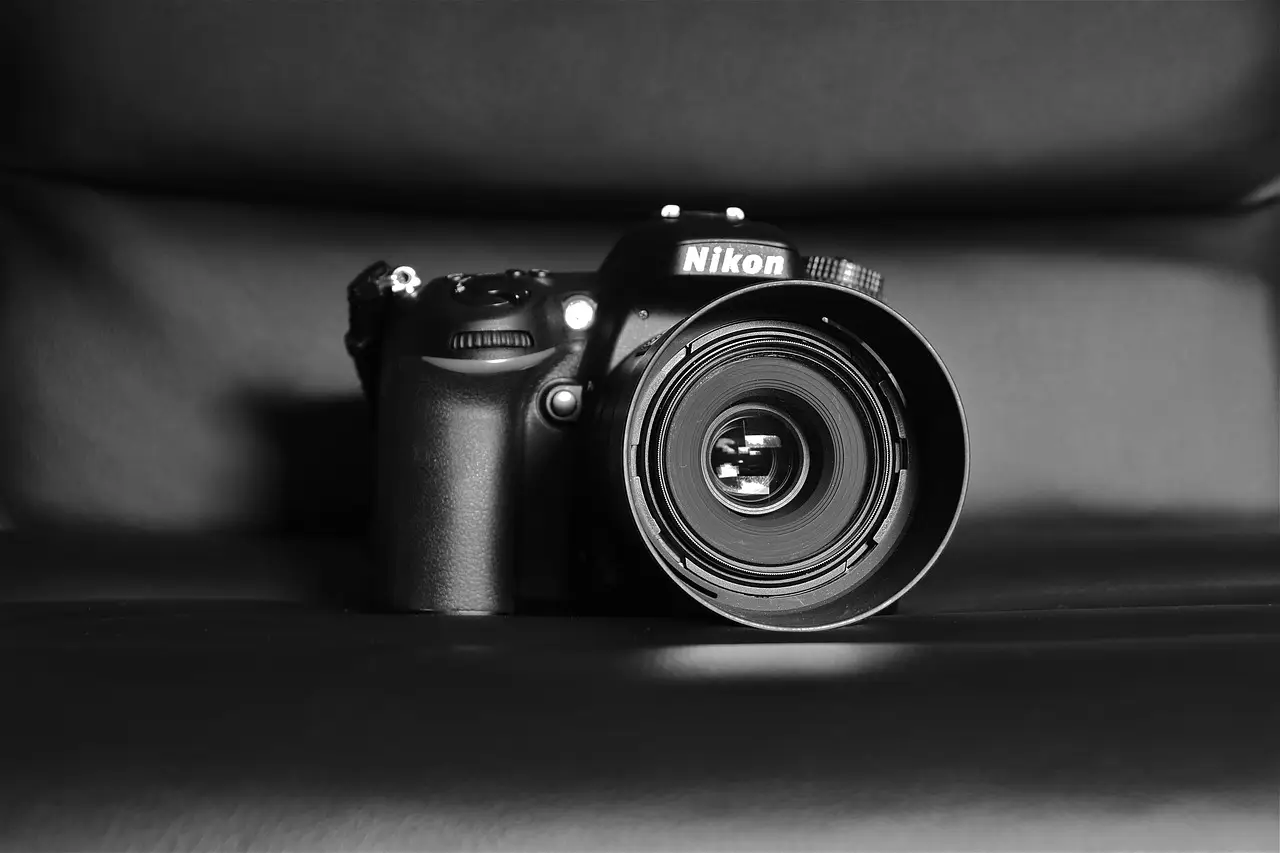
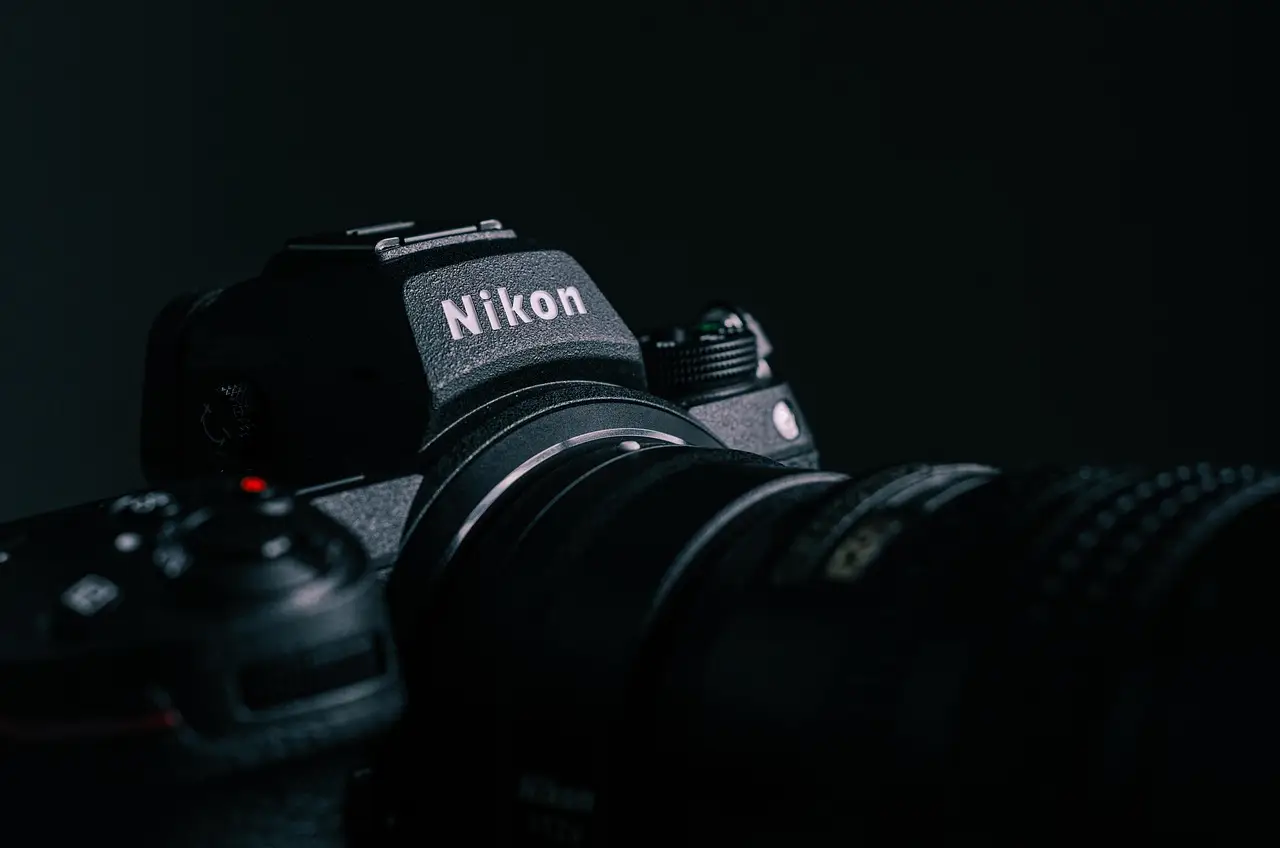
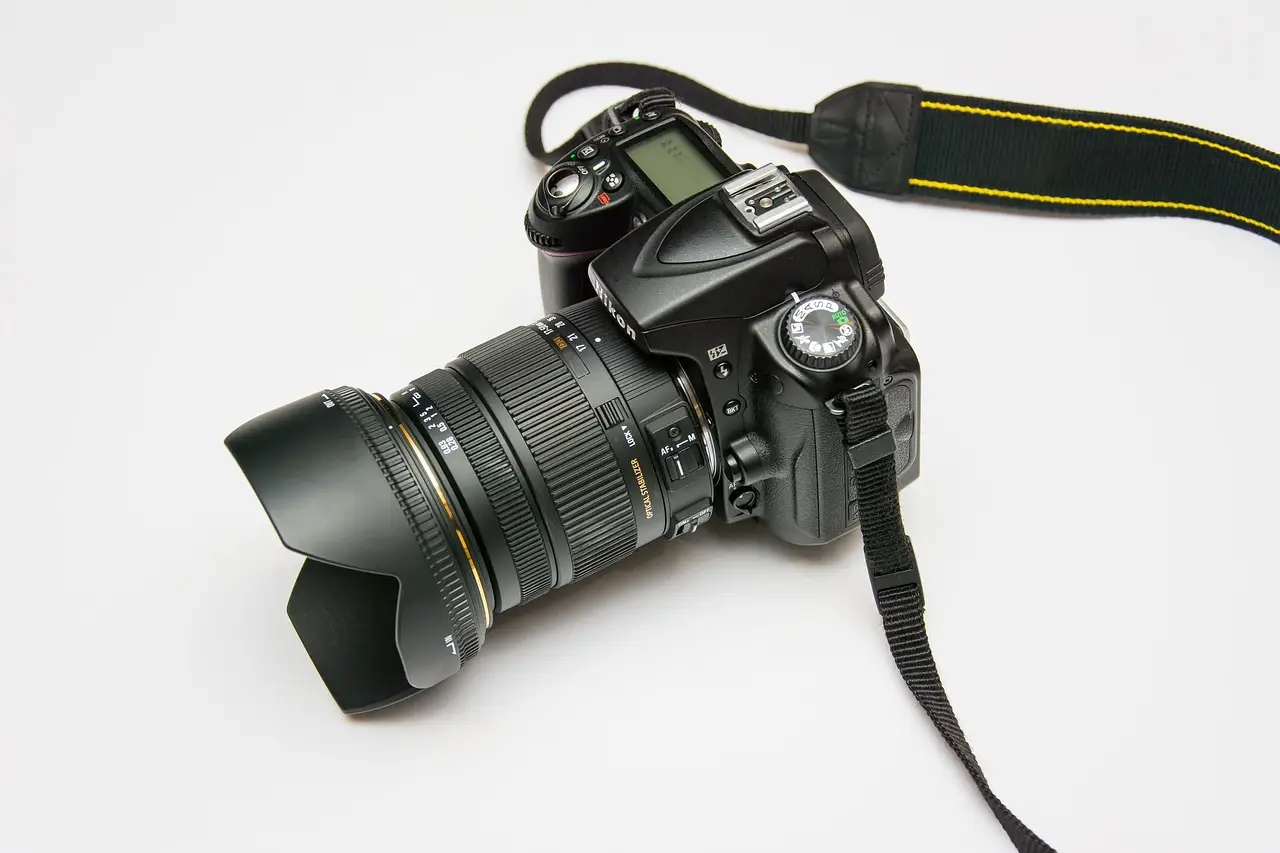
A patched sub-CPU firmware built largely by an AI coding agent has added trap focus — auto-trigger on focus confirmation with manual lenses — to the Nikon D3, a flagship body from 2007 that left Nikon's support cycle years ago. The patch was tested on a D3 running patched sub-CPU firmware A 2.05 with stock B 2.03, and it works.
Marcus Low, the developer behind the project, didn't hand-write the code. He used Claude Code to disassemble the D3's firmware, trace the shutter-release and focus logic, and write the patch. His job was direction: picking features, setting risk levels, flashing test builds, reporting results. He was blunt that early builds failed on incorrect assumptions and only real-camera testing sorted the bugs out.
What does trap focus change on a D3?
With the patch installed, you hold the shutter release fully down, turn the focusing barrel, and the camera fires the instant the viewfinder focus indicator lights. No second press, no human reaction delay. Requirements: effective manual-focus mode, Custom Setting a2 (AF-S priority selection) set to Focus, and release mode S, CL or CH. Setting a2 to Release disables the feature — a built-in kill switch.
Low doesn't claim novelty. Pentax has shipped essentially this exact function for years as "Catch-in Focus" on many K-mount DSLRs. The frustration is that the D3's hardware and Nikon's own firmware logic — focus confirmation and release control — were already there. The patch extends behavior Nikon built for autofocus to manual glass.
The case for it, in numbers
The core argument is reaction time. Human visual reaction time commonly runs 200 to 250 milliseconds before the finger even moves. A 50mm at f/1.4 focused at 1.5 meters on full frame gives roughly 7 to 8 centimeters of total depth of field — subject breathing or body sway can shift the focal plane a meaningful slice of that in a quarter second. Trap focus removes the human delay, not the camera's: the AF sensor still has to measure, the firmware has to react, and the D3's shutter lag still applies.
Three further points:
- Less shake. No last-moment button jab at the moment of exposure. That matters on a body with no IBIS, typically paired with vintage primes that have no optical stabilization.
- The AF dot beats the screen. DSLR focusing screens can't show true depth of field wider than roughly f/2.8. Caveat: the confirmation dot has a tolerance window that at f/1.2–f/1.4 can be wider than actual depth of field, and it inherits AF calibration errors. The patch doesn't make the dot more accurate.
- Cheap glass, capable body. F-mount's manual catalog — AI and AI-S Nikkors, Series E, Zeiss, Voigtländer — is affordable used, and rugged D3 bodies sell for reasonable money. The patch raises the practical value of both.
From Sigma compact to Nikon flagship
Low's first AI-assisted project wasn't Nikon. He modified Sigma DP2x firmware so the extending lens stays out at power-off, cutting motor and gear-train cycles per power-on — a wear point that ends many compacts via the dreaded "lens error." He published it as the DP2X Longevity Firmware Update, adding a shot counter and other tweaks. He can't prove longevity gains on one camera, and the focus motor still initializes at startup.
The bridge to Nikon: the DP2x runs a Fujitsu FR-family processor, the same architecture as the D3's sub-CPU. Disassembly tools and AI-assisted mapping carried over. Hence Project "Trap Focus."
Why Nikon and Canon never built it
Low stresses this is speculation — he has no inside knowledge of either company's roadmap. His educated guesses:
- Flagship pro bodies must fire when pressed; a trap-focus custom setting left on by a working photographer means missed frames and support calls.
- Manual-focus UX for decades-old glass didn't sell new hardware by the late 2000s, when R&D money chased AF motors and stabilization. Pentax made vintage K-mount compatibility a brand pillar, changing its calculus.
- Canon broke with FD in 1987; EOS bodies had no native legacy manual catalog, and adapted lenses needed chipped adapters for focus confirmation.
- The dot isn't a promise of sharpness; a "fires when sharp" feature invites complaints when it misfires wide open.
- Mirrorless and focus peaking changed the question entirely, leaving late DSLR updates to bug fixes and lens compatibility.
What's next, and what's untested
Trap focus is the first item, not the destination. Low has an experimental main-CPU patch displaying shutter count on the firmware-version screen and embedding the D2X's Mode 1, 2 and 3 Picture Controls into the D3 — but that patch has not been flashed to a physical camera and is untested on hardware. He is working on custom color profiles and investigating ports to the D3X and D700, which share the D3's generational architecture; he won't publish those until verified on real units.
The files are unofficial, unaffiliated with Nikon or Sigma, and a bad flash can brick a camera — reverting to stock requires a camera that still boots and runs its updater. What the project establishes is that for off-support bodies, "the manufacturer won't add it" is no longer the end of the conversation.
via bhphotovideo.com (Original)
More from Nathan Brooks
Show full bio
Correspondent covering regulation, policy and their impact on professional photography industry at Photo Trade Wire.
102 articles