FR-B74Fƒ/4 · 1/125 · ISO 400Roll /ai-imaging
SynthID Watermarks Found Across Drone Photographer's Portfolio
A UK drone photographer's portfolio was flagged image-by-image with SynthID AI watermarks after a 77mph storm shot drew scrutiny from a certified pilot.
Processing notes
- OpenAI's Verify tool found SynthID watermarks in virtually all tested images from the Aerial Perspectives portfolio.
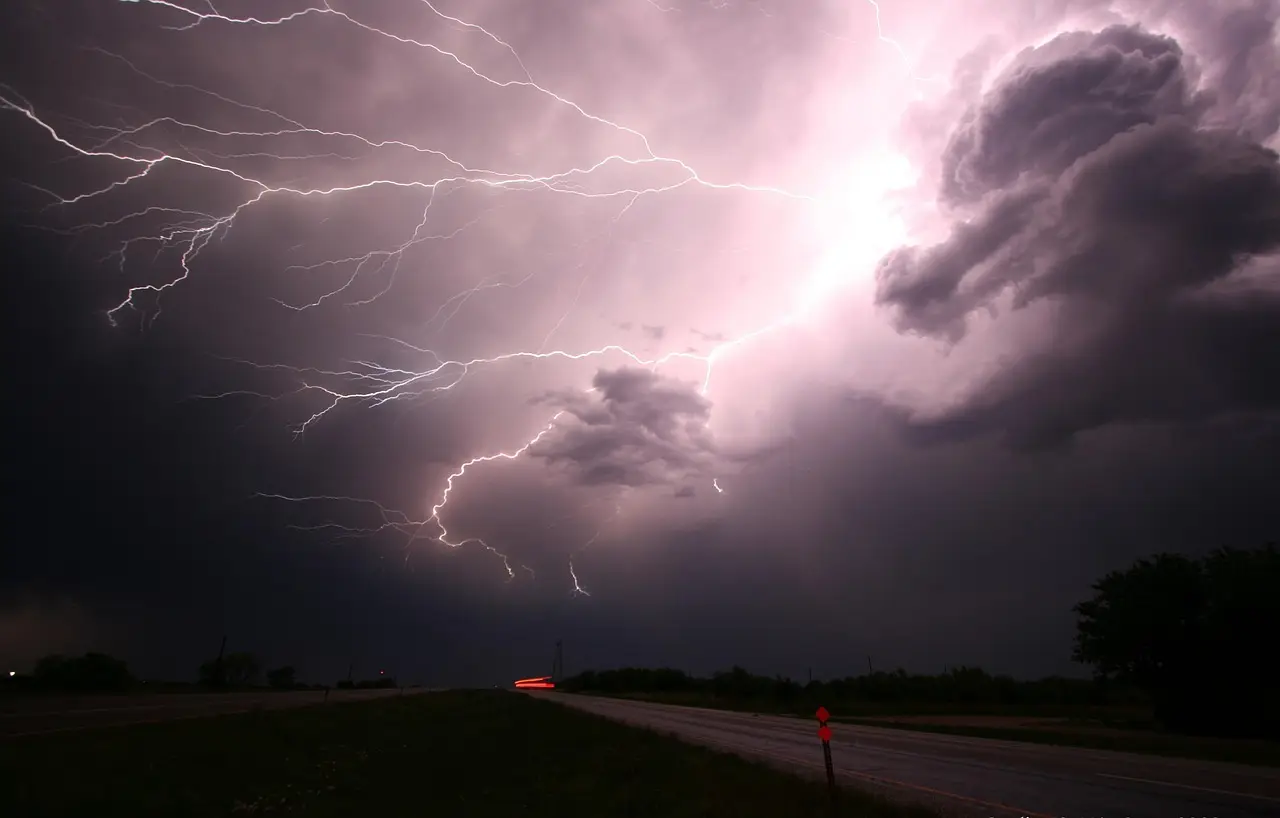
- The disputed image showed Whitehaven lighthouse during a storm with reported 77mph gusts, claimed shot on a DJI Air 3S.
- Dave Wilson's YouTube exposé video has drawn hundreds of thousands of views.
- Company representative Jake blamed a former team member but says ChatGPT watermarking explains the SynthID flags.
- PetaPixel has requested the RAW files; the story remains open.
OpenAI's Verify tool confirmed SynthID watermarks in virtually every image checked from the portfolio of "Aerial Perspectives," a Cumbria drone photography outfit, after a local photographer publicly challenged a storm shot of Whitehaven harbor as AI-generated.
Dave Wilson, a certified commercial drone pilot based in Whitehaven on the Cumbrian coast, spotted the image on the myWhitehaven Facebook page. It showed the town's lighthouse during a storm that toppled trees, tore roofs off buildings and caused property damage.
What triggered the challenge?
Wilson's objection was technical, not aesthetic. Reported gusts reached 77 miles per hour during the storm.
"To fly something in those conditions is reckless, and also it just wouldn't happen because if it's over the top speed of the drone you're not going to get it back," Wilson told PetaPixel by phone.
The post claimed the photos were captured on a DJI Air 3S. Wilson left a comment on the myWhitehaven post flagging the image as likely AI-generated. Aerial Perspectives replied, insisting the images were genuine. The page administrators then deleted Wilson's comments.
"I didn't believe this," Wilson said in a YouTube video that has drawn hundreds of thousands of views. "And it matters to me because it's simply misrepresentation."
What did the verification show?
Undeterred, Wilson ran the disputed images through OpenAI's Verify website, which detects the two leading AI-provenance protocols: C2PA metadata and Google's SynthID watermark. The results confirmed AI generation in the harbor images.
Wilson then went further. He tested several other images pulled from Aerial Perspectives' own website through the same tool. Virtually all of them carried the SynthID watermark — the invisible marker embedded when generative AI has processed or produced an image.
Wilson has stopped short of alleging bad faith. He said he does not believe there is "malicious intent" behind the images, but that whoever runs the account "thinks that it's acceptable to do this, and acceptable to use AI in this way to get the best out of the pictures, but in such a way that it changes the whole aspect of the pictures completely."
How did the company respond?
Aerial Perspectives initially stood by the storm images and described its team as "five people, three of whom are drone pilots, with the other two helping with administration when needed."
In a subsequent lengthy statement to PetaPixel, a representative identified only as Jake shifted the blame to a former team member for the stormy harbor image specifically.
"We acknowledge that the image should not have been presented as genuine photography, and I understand why this has caused concern and damaged people's confidence," Jake said. "I take responsibility for how this situation has affected the business, even though I was not the individual who created that image."
Jake denied that the wider portfolio is AI-generated, saying the company has spent considerable time on genuine photography across Cumbria — landscapes, local landmarks, businesses, harbors and other locations — with "photographs taken using our own equipment, with original files and supporting metadata available to demonstrate their authenticity."
His explanation for the SynthID findings: he adds the company's watermark to photos using ChatGPT, which would embed the invisible AI marker in otherwise genuine files.
PetaPixel has requested the RAW files. The outlet says it will update its story if and when it receives them.
What does this change for working photographers?
The case is a working template for clients and photographers alike: free verification tools from OpenAI can now surface AI provenance signals in any published portfolio image, and a single disputed post can escalate into a public accountability process with hundreds of thousands of viewers. Until the RAW files appear, the gap between SynthID detection and the ChatGPT-watermarking explanation remains unresolved — and every commercial drone operator publishing to community pages is now on notice that the metadata will be checked.
via photographynorthwest.com (Original)
More from Grace Kim
Show full bio
News editor covering technology and product news in professional photography industry at Photo Trade Wire.
126 articles