FR-CFFBƒ/4 · 1/125 · ISO 400Roll /ai-imaging
Google Opens Free SynthID Detector to the Public
Google's free SynthID Detector checks AI watermarks from Google, Nvidia, OpenAI and Kakao. But binary results and coverage gaps limit its value for photo verification.
Processing notes
- Google released SynthID Detector free to the public at synthid.com
- SynthID watermarks are used by AI tools from Google, Nvidia, OpenAI and Kakao
- Apple has promised to add SynthIDs to its AI photo tools later this year
- The tool requires sign-in with a Google, Apple or OpenAI account
- Output is binary and cannot distinguish AI-edited photos from fully synthetic images
Google has released SynthID Detector, a free public tool for checking whether an image, video or audio file carries a SynthID watermark — the invisible marker that AI tools from Google, Nvidia, OpenAI and Kakao now embed in generated media, with Apple promising to add SynthIDs to its AI photo manipulation tools later this year.
For photographers and photo businesses, the release matters because it lowers the barrier to verifying provenance on client-delivered work, contest entries and licensed assets — provided the content came from a model that uses the standard.
What does the tool actually do?
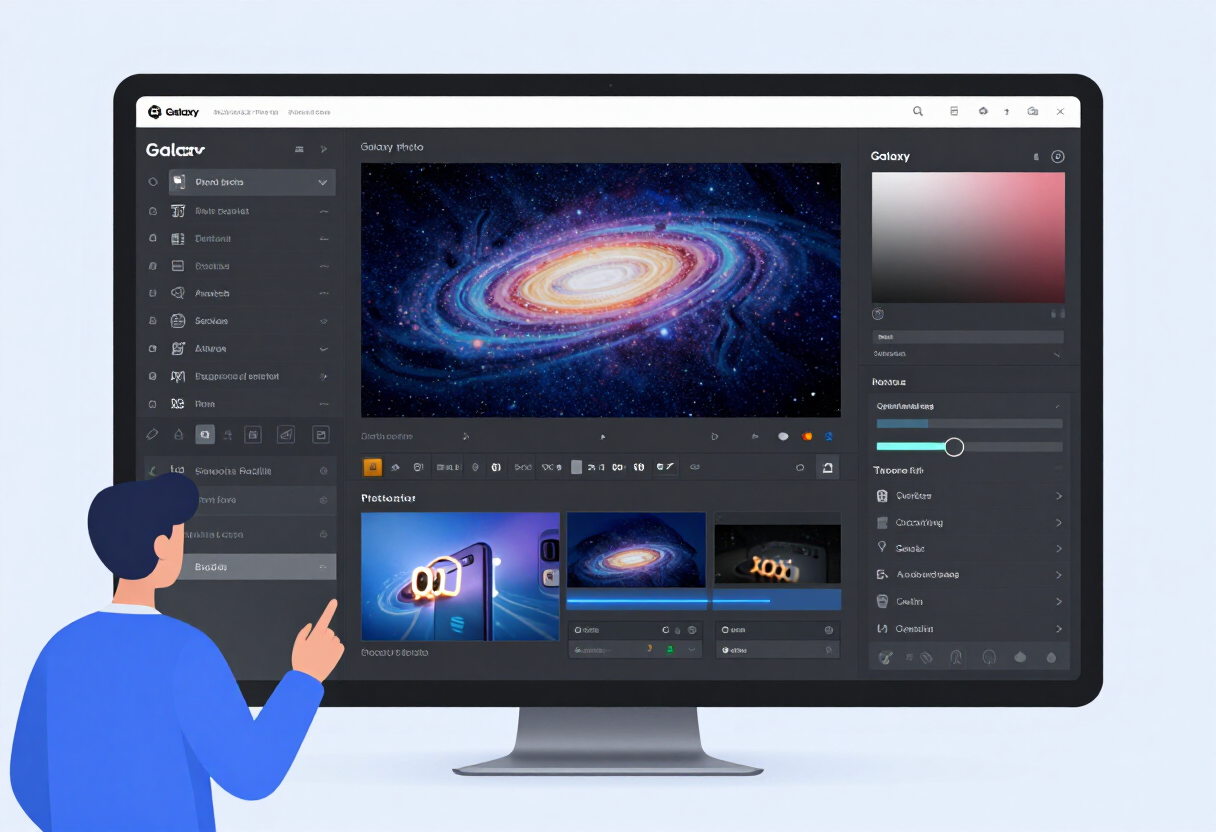
The workflow is simple: upload a file, and the scanner reports whether a SynthID is present. Unlike easily stripped metadata, SynthIDs are invisible watermarks designed to survive modification — cropping, color adjustments, even recompression by a platform that makes no effort to preserve the marker. Google says the watermark should remain undetectable to the eye in the final output.
That durability claim is the industry pitch, and it is worth interrogating. The tool's own homepage warns that it does not detect whether media was made by AI at all; it only tells you whether the file came from a specific subset of models. Plenty of generators are absent from the list of participating companies.
What are the limits for working photographers?
- Binary output only. The tool says watermark or no watermark. It cannot show the original image or distinguish an AI-tweaked real photograph from a wholly synthetic one.
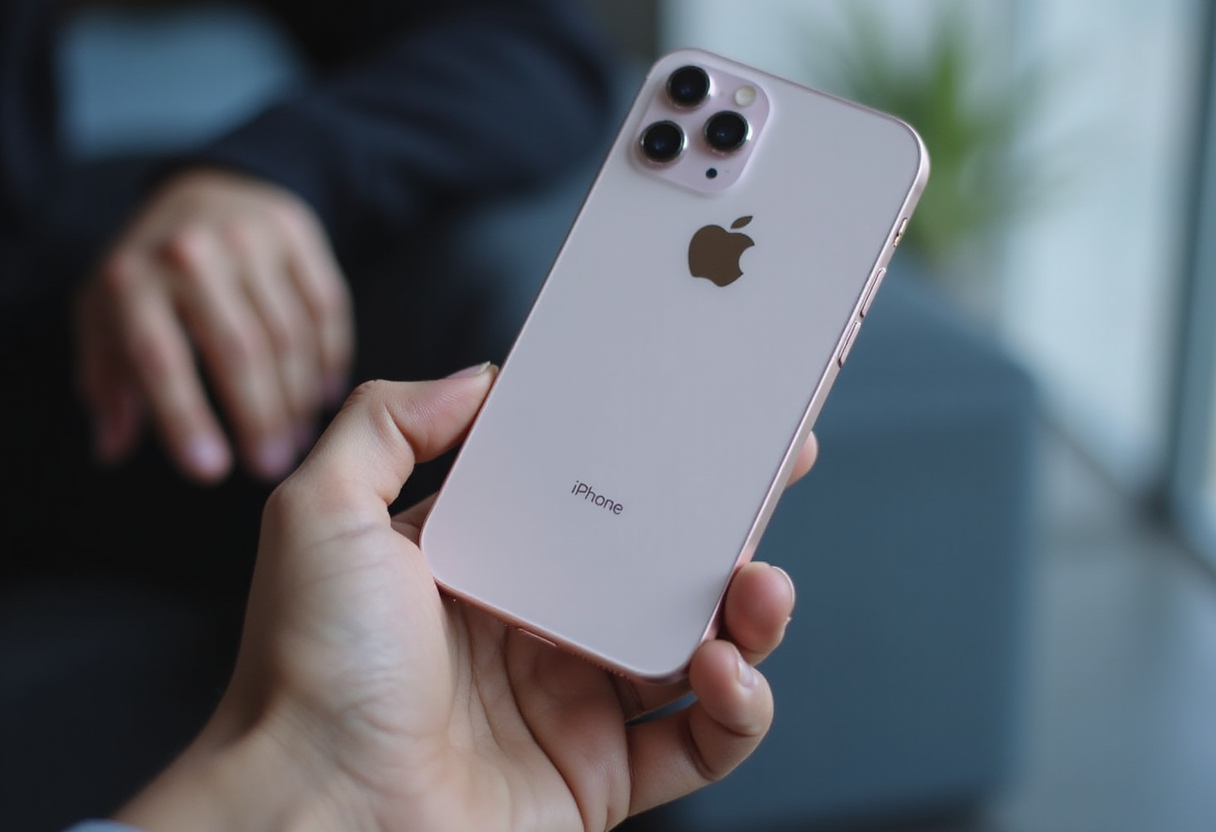
- Coverage gaps. In a documented test, an image edited with Apple Photos' AI tools went undetected, because Apple has not yet baked SynthIDs into its editing features.
- Account friction. Checking anything requires signing in with a Google, Apple or OpenAI account — a hurdle that may discourage casual verification of an image before publication or licensing.
Those limits separate SynthID Detector from more provenance-focused systems like Apple's Reference Image tech and the C2PA Content Credentials standard pushed by Adobe and others, which can carry capture-to-edit history rather than a single yes/no flag.
Where does this fit in the verification stack?
Google already offered SynthID checks through Gemini, and Chrome and Search flag watermarked images in some cases. The standalone detector is a lighter-weight option — and a practical one for photographers who refuse to run client work through an AI chatbot on principle but still need a quick check before accepting or distributing a file.
The tool is live now at synthid.com. With Apple's SynthID adoption promised later this year and adoption spreading across major model providers, watermark checking is moving from a niche query to standard due-diligence workflow — though until coverage is universal and outputs carry richer provenance data, a clean result will still not prove a file is a photograph.
via go.skimresources.com (Original)
More from Amara Osei
Show full bio
Market editor covering consumer brands and retail at Photo Trade Wire.
62 articles