FR-0FBCƒ/11 · 1/125 · ISO 400Roll /industry-news
Apple Targets iOS 27 for Photo Authentication Tool: Report
Apple plans a photo authentication tool for iOS 27, per Engadget. Working photographers should watch for native provenance, client intake changes, and C2PA alignment.
Processing notes
- Apple is reportedly working on a photo authentication tool for iOS 27, per Engadget
- The source report surfaced through Google News syndication and uses the conditional 'may' rather than confirming the feature
- Apple has not announced timing, hardware compatibility, fee structure, or whether the tool will cover stills, video, or both
- The dominant photo provenance standard, C2PA Content Credentials, already ships in Sony, Leica, Nikon bodies and Adobe editors
- Working photographers should expect client intake forms to require iOS provenance authentication if the tool ships
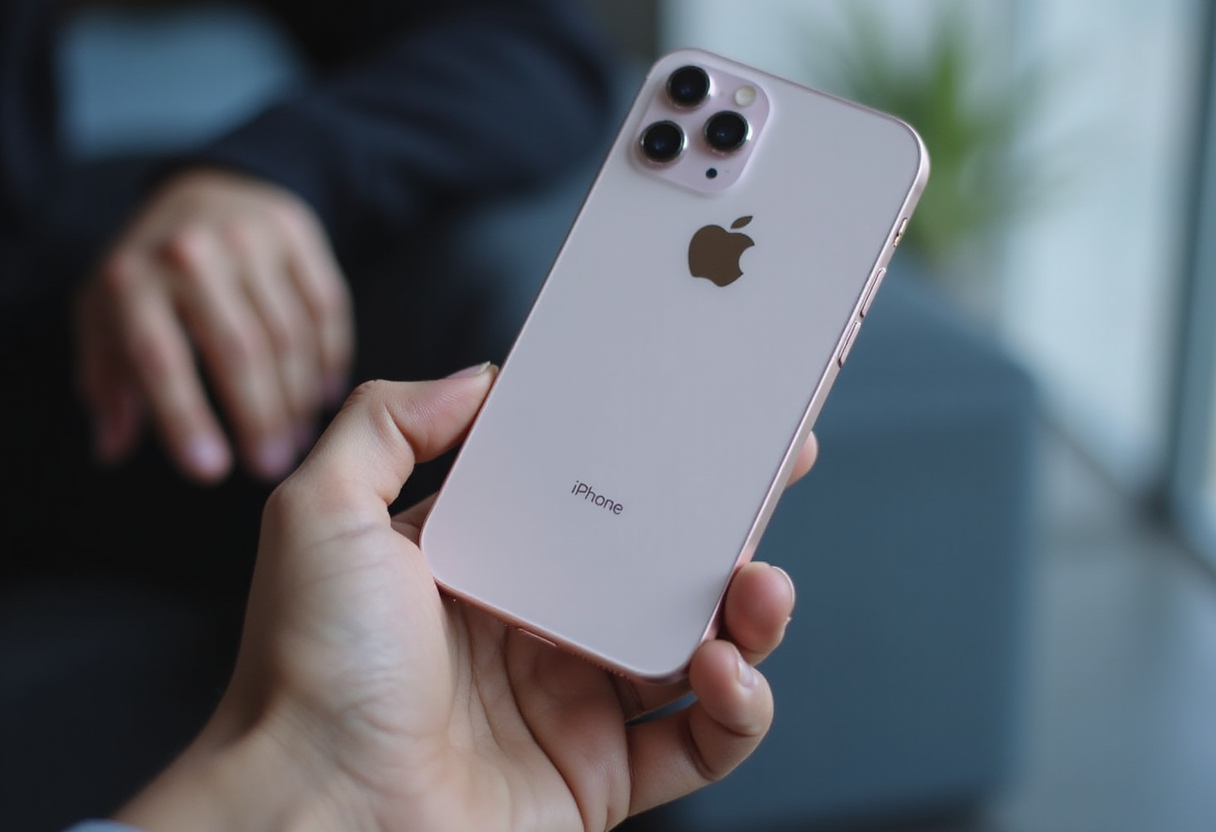
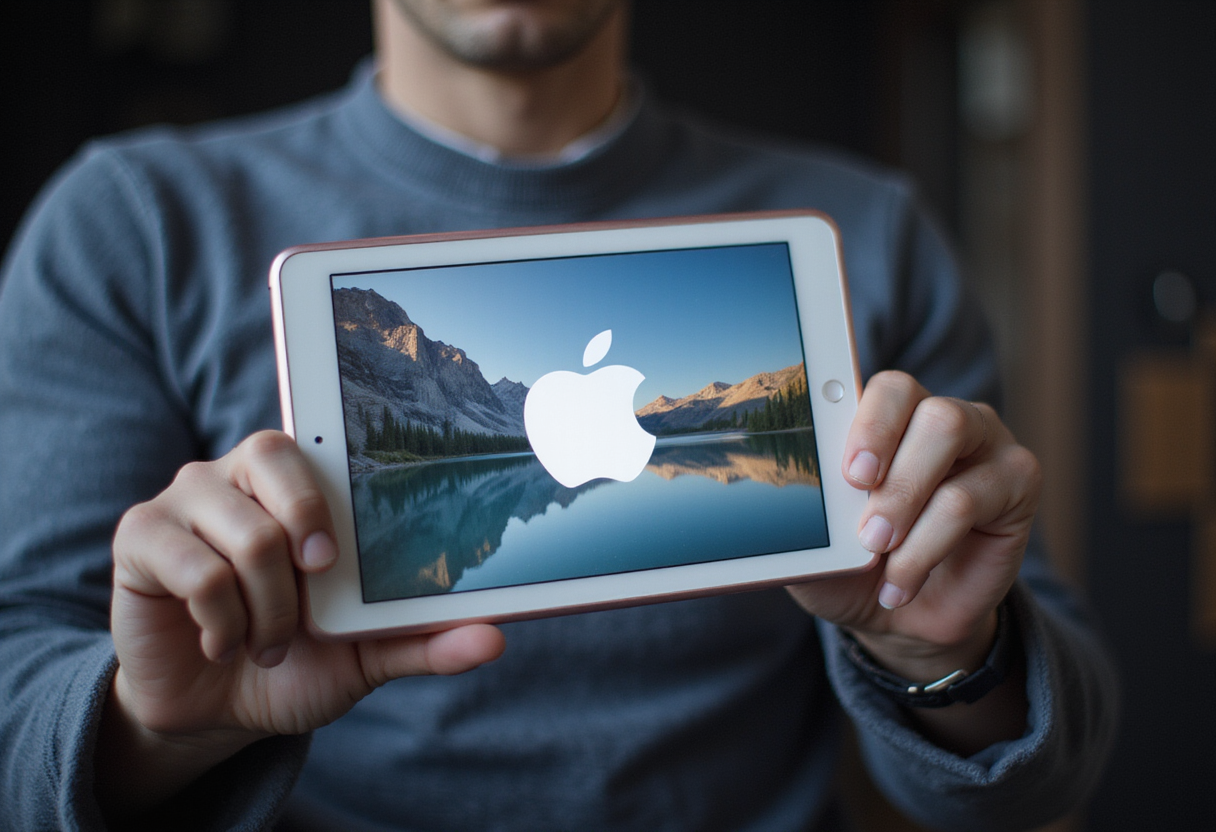
Apple is preparing a photo authentication feature for iOS 27, according to an Engadget report circulating in syndicated feeds. The tool would give iPhone users a way to verify image origins at a moment when generative AI has saturated consumer and commercial channels with synthetic frames.
The headline is short on specifics. Engadget's item, surfaced through Google News syndication, identifies iOS 27 as the target and "photo authentication" as the feature category. Apple has not confirmed timing, technical approach, or whether the system will follow established standards such as C2PA Content Credentials. Treat the report as a roadmap signal, not a product announcement.
What does 'photo authentication' actually mean?
Photo provenance tools attach cryptographic signatures to image files at capture, recording the device, software chain, and any edits applied. The dominant standard, Content Credentials from the Coalition for Content Provenance and Authenticity (C2PA), is already shipping in Sony, Leica, and Nikon bodies and inside Adobe editors. A native Apple implementation would either extend that ecosystem or compete with it.
Why a working photographer should care
iPhones have become standard secondary and primary tools across editorial, sports, and corporate assignments. News desks and stock libraries are now flagging AI-generated and AI-altered submissions separately from conventional imagery. A built-in authenticator would let iPhone shooters attach machine-verified provenance at capture, narrowing the gap between phone-sourced frames and dedicated camera output.
That shift matters for revenue and client work in three concrete ways:
- Client questionnaires already ask whether deliverables are AI-generated, AI-altered, or unedited. Native authentication would let photographers answer with evidence rather than a checkbox.
- Agencies pricing AI-restricted collections at a premium would gain a verifiable signal for which frames qualify.
- Litigation and licensing disputes increasingly hinge on chain-of-custody documentation. A system-level signature simplifies that paper trail.
What the Engadget report does not say
The headline carries "may," not "will." The piece offers no shipping date beyond the iOS 27 label, no hardware compatibility list, no fee or royalty structure, and no indication of whether the tool covers stills only, video, or both. There is no word on whether authentication data survives HEIF re-encodes, AirDrop transfers, or third-party app sharing.
Apple historically previews iOS revisions at its Worldwide Developers Conference months ahead of public release, but no such confirmation appears in the source. Pricing, royalty splits, and licensing terms are absent from the report — features of this category typically ship free inside iOS, though Apple has not addressed that point.
How to read the rumor
Working photographers have watched this category move from policy paper to production feature over the last three years. Camera makers, software vendors, and now phone manufacturers are converging on the same problem from different angles. Apple's entry is the highest-leverage piece still missing: the iPhone install base dwarfs every dedicated camera maker combined.
Until Apple confirms or denies at WWDC, photo businesses should treat the report as a planning prompt rather than a workflow change. If the tool ships as described, expect client intake forms to add an iOS authentication field within the next assignment cycle.
via Google News: Generative AI & photography (Source)
More from Amara Osei
Show full bio
Market editor covering consumer brands and retail at Photo Trade Wire.
62 articles