FR-F1E2ƒ/8 · 1/125 · ISO 400Roll /ai-imaging
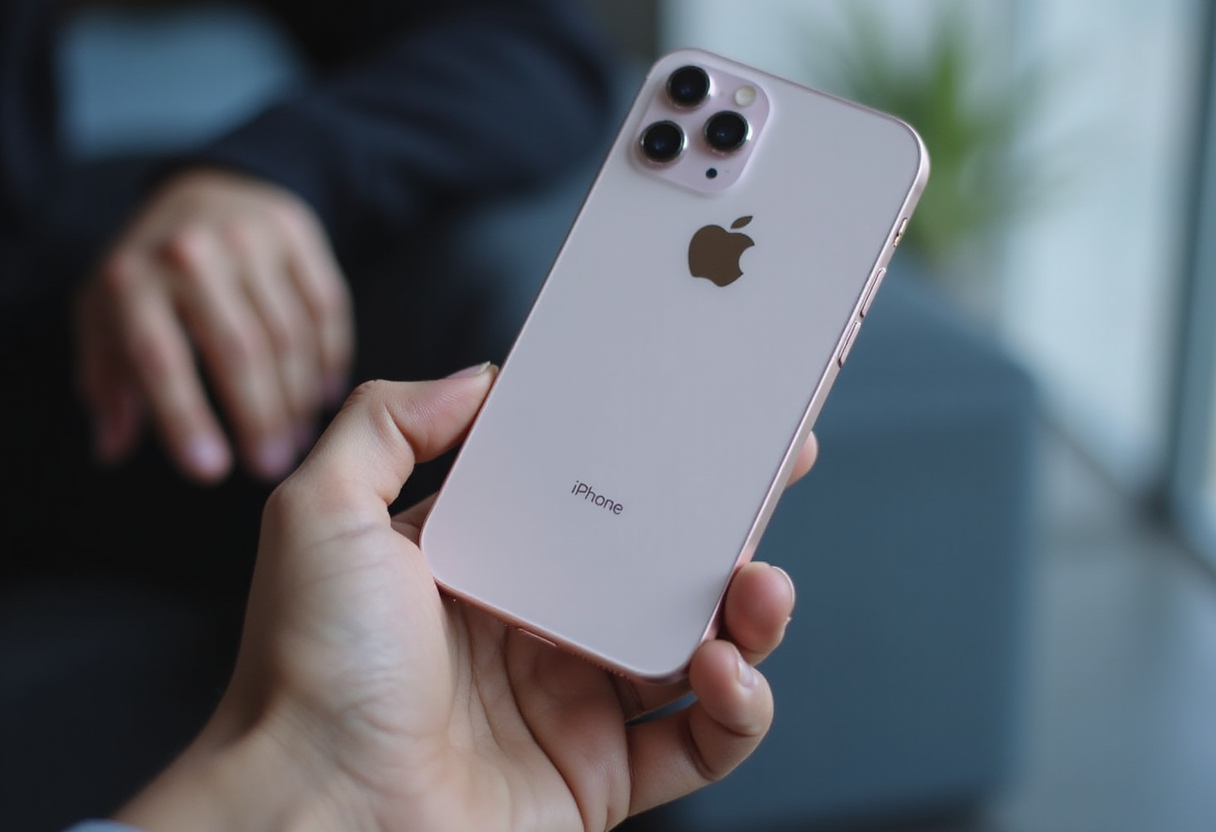
Apple iPhone 18 Ships With Built-In Authenticity Proof Against AI Generation
Apple's iPhone 18 launch includes a feature to cryptographically prove photos were not AI-generated, entering the provenance market long defined by C2PA and Adobe Content Credentials.
Processing notes
- Apple has launched a feature on the iPhone 18 that allows photographers to prove their images were not AI-generated, per Gizmodo.
- The provenance market has been defined by the C2PA coalition and Adobe Content Credentials in recent years.
- Leica, Sony and Nikon have begun shipping C2PA-compliant mirrorless bodies that signed iPhone 18 files now compete with.
- The Gizmodo report cites no technical specifications, no list of supported iPhone 18 SKUs, and no rollout geography.
- Pricing and bundling of the underlying signing service — standalone versus iCloud — are not addressed in the cited report.
Apple has launched a feature on the iPhone 18 that allows photographers to prove their images were not AI-generated, per Gizmodo. The announcement enters a provenance market that has, until now, been defined by the Coalition for Content Provenance and Authenticity (C2PA) and by Adobe's Content Credentials framework, both of which camera and software makers have been adopting in recent years.
What does the feature actually do?
The Gizmodo report indicates Apple is embedding some form of authenticity signaling directly into the iPhone 18 imaging pipeline so that captured files carry proof of camera origin rather than generative origin. The cited source does not spell out whether this implementation aligns with the C2PA standard, whether it functions as an Adobe Content Credentials equivalent, or how the underlying cryptographic signature is anchored to hardware. Those are the operational details working photographers need before they can hand a signed file to a picture desk.
Why does it matter for working photographers?
Editorial picture desks and stock libraries have spent the past two years tightening intake filters against synthetic imagery. Wire services now routinely reject or quarantine submissions that cannot trace a verifiable capture chain, and stock platforms auto-flag any upload whose metadata cannot be matched to a known capture device.
A smartphone-level provenance credential compresses the workflow gap between iPhone capture and the C2PA-compliant mirrorless bodies that Leica, Sony and Nikon have begun shipping. For a shooter filing mobile news, event coverage or social-first editorial, a signed deliverable moves faster through editorial QA than an unsigned one, provided the signature survives metadata round-trips and downstream catalog edits.
The business case is concrete. Mobile-shot assignments have grown as a revenue line for working photojournalists and event shooters who cover breaking news from the field without a mirrorless kit. A signed iPhone 18 file expands the set of publications and stock libraries that will accept that work without manual certification.
- Cuts one certification step from the editorial submission workflow
- Adds a manufacturer-stamped provenance layer to mobile-shot deliverables
- Forces competing vendors — Adobe, Google, Samsung — to match or counter with native signing
- Creates a potential client-side licensing requirement for signed files in commercial briefs
What remains unclear from the Gizmodo report?
The cited source carries no technical specifications, no list of supported iPhone 18 SKUs, no confirmation that the signature survives edits in Capture One or Lightroom, and no rollout geography. Working photographers should also wait for documentation on whether ProRAW and ProRAW-derived HEIF or TIFF exports retain the credential after standard metadata operations, including file rename, IPTC update and XMP round-tripping. Fleet managers waiting to standardize on iPhone 18 hardware will want confirmation that the signature persists when files are uploaded to a DAM or CMS through common ingestion pipelines.
What about the broader revenue picture?
The provenance layer also creates a potential wedge in commercial licensing. Brands and agencies commissioning lifestyle, event or documentary work have begun specifying in contracts that deliverables must be traceable to a real camera. A native iPhone 18 signature lets a shooter meet that contract clause without paying for a third-party certification service or rebuilding a custom ProRAW workflow. The Gizmodo report does not confirm whether Apple will charge for the underlying signing infrastructure or bundle it into existing iCloud and storage tiers.
For working photographers, the headline-grade takeaway is that provenance has crossed from a software-vendor concern into a smartphone OEM feature set, and the procurement question for fleet managers is now whether iPhone 18 signed files will clear the gates at the picture desks that pay the invoices.
via Google News: Generative AI & photography (Source)
More from Nathan Brooks
Show full bio
Correspondent covering marketplaces and e-commerce at Photo Trade Wire.
54 articles