FR-BD5Cƒ/5.6 · 1/500 · ISO 400Roll /ai-imaging
Apple Leans Into AI Photo Editing. That Should Worry Working Photographers
The Verge accuses Apple of selling an edit-anything fantasy as AI tools move into the default camera pipeline — a credibility problem for working photographers.
Processing notes
- The Verge published an opinion piece arguing Apple is 'embracing the fantasy of AI photo editing'
- No specific Apple product, ship date or specification is cited — the piece critiques direction, not a released tool
- The critique targets normalization of AI manipulation in mainstream phone camera software
- Provenance and client-contract implications fall on working photographers as defaults shift
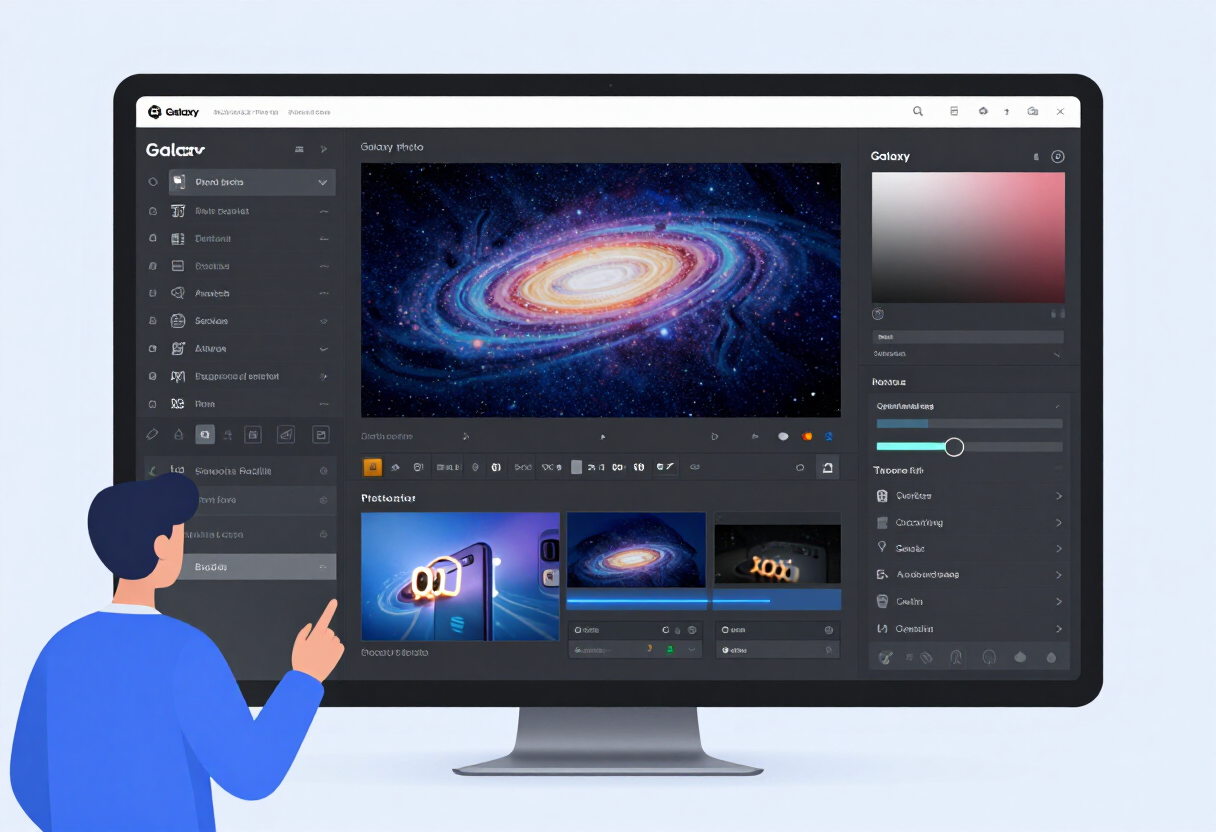
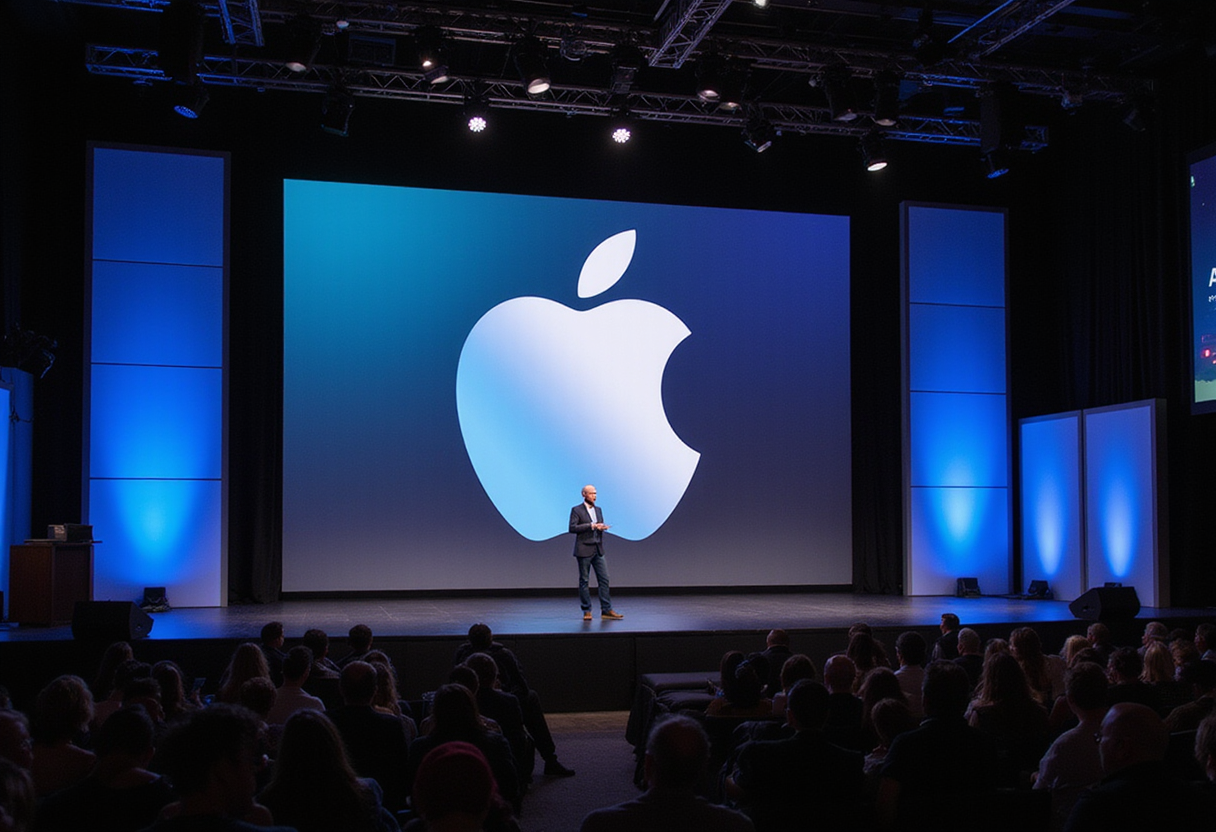
The Verge has published a pointed critique of Apple's AI photo editing push, arguing the company is now openly "embracing the fantasy of AI photo editing" — a signal worth reading for anyone whose income depends on the credibility of a photograph.
The headline is the story. Apple, whose camera and Photos app sit at the center of millions of client-delivery workflows, is framing computational manipulation as a feature, not a bug. The Verge's editorial position is that this is fantasy: the promise that anyone can reconstruct, erase, or reimagine a scene after the shutter fires.
For professional photographers, the stakes are commercial, not aesthetic.
Why does this matter to paid assignment work?
Every AI erase, generative fill and synthetic relight that ships in a mainstream phone OS erodes the boundary between a photograph and an illustration. Editorial clients, newsroom photo desks and documentary buyers already police that boundary with wire-service and contest rules. As the default camera app normalizes scene fabrication, the burden of proving an image's provenance shifts onto the photographer.
That means budgeting for:
- Provenance tooling and metadata workflows that survive export
- Clear client contracts defining what counts as retouching versus generation
- Faster turnaround on C2PA-style content credentials, before buyers demand them
What is Apple actually claiming?
The Verge's framing — "fantasy" — treats Apple's marketing as a claim to interrogate, not a feature list. The critique echoes earlier industry flashpoints: Samsung's moon-shot controversy, Google's Pixel computational edits, and the ongoing argument over what a "real" photo means once the pipeline is computational end to end.
Apple has not, in this coverage, shipped a measurable capability with published specifications, dates or limits. The piece is an opinion about direction, not a review of a product. Treat it accordingly when planning gear investment: no announced tool, no shipping date, no pricing.
Who absorbs the cost?
If the edit-anything pitch lands with consumers, two revenue effects follow for working pros. First, commodity retouching work — object removal, sky swaps, basic cleanup — continues its slide toward one-tap automation. Second, the survivors of that slide are photographers who can sell verifiable authenticity: documented capture, defensible post-processing, and a portfolio that doesn't need a disclaimer.
The countermove is positioning, not panic. Editorial, forensic, event and documentary buyers pay for trust. That trust will increasingly require a paper trail.
The Verge's argument lands as Apple's AI editing ambitions scale from marketing language into default behavior on mainstream hardware. Watch what ships in the next iOS cycle — that release, not the keynote rhetoric, will set the real terms of engagement.
via Google News: Generative AI & photography (Source)
More from Tom Whitfield
Show full bio
Senior reporter covering media and advertising at Photo Trade Wire.
52 articles