FR-2895ƒ/5.6 · 1/60 · ISO 400Roll /gear-industry
Apple's Studio Display XDR Hits $3,299 With 2000 Nits and a Mac-Only Habit
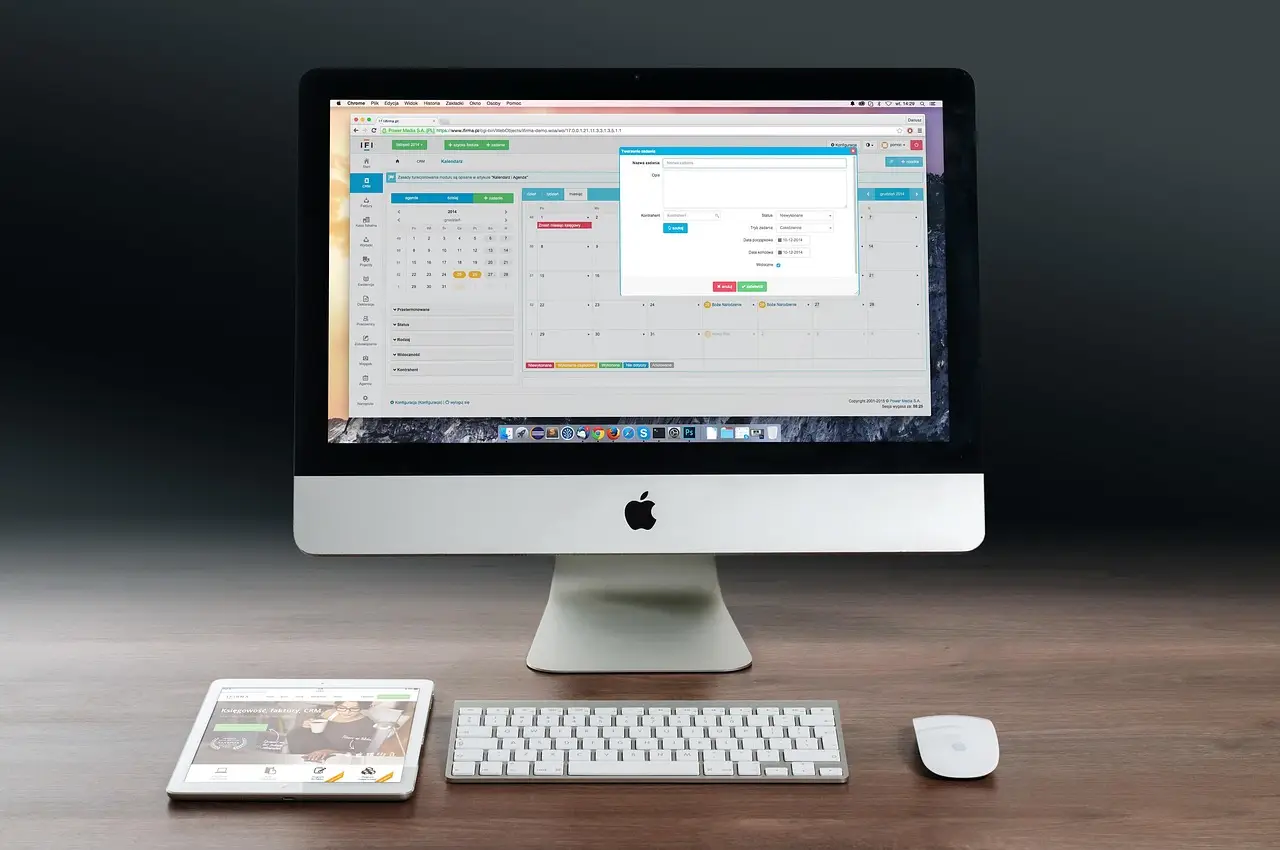
Apple's $3,299 Studio Display XDR measures 2,000 nits peak HDR brightness and 97% P3 coverage, but Thunderbolt-only control and a Mac-only ecosystem narrow who should buy it.
Processing notes
- Apple's Studio Display XDR costs $3,299 / £2,999 and measured 2,000 nits on 40% of the screen in HDR.
- Factory calibration delivered 94% Adobe RGB and 97% P3 in the XDR-P3 + Adobe preset.
- Full 5K at 120Hz requires a Mac with an M4 processor or newer; Thunderbolt 5 is the only input.
- SDR full-screen brightness measured around 500 nits, better than some OLED gaming monitors.
- Digital Camera World scored it 4.5 stars overall with 5 stars for performance and 2 for value.
Apple's Studio Display XDR costs $3,299 / £2,999 and measures 2,000 nits on 40% of the screen with HDR content. That's the headline number, and it's the kind of figure that makes a working photographer narrow their eyes — literally, in Digital Camera World's testing.
The 27in mini-LED IPS panel runs 5120 x 2880 and, per the review's colorimeter measurements, delivers roughly 500 nits full-screen in SDR. That beats some OLED gaming monitors. In the XDR-P3 + Adobe preset, the factory calibration produced 94% of Adobe RGB and 97% of P3. Straight out of the box, in other words, it's accurate enough for most photo and video work without a custom calibration session.
What does this change for a working studio? Not much, unless the studio runs on Macs. The display connects only via Thunderbolt 5, and key functions — including brightness adjustment — depend on the Mac Settings app. A PC with an adapter gets a signal and little else. Full 5K at 120Hz requires an M4 processor or newer; older chips drive it at lower rates, though even a MacBook can push 4K at 60Hz to it. So the buyer pool is recent-Mac owners with three spare grand.
The spec sheet reads like a small computer. Inside sits an A19 Pro chip — borrowed from the iPhone 17 Pro, one processing core disabled — plus 12GB of RAM. It runs the 12MP Center Stage webcam, subject tracking, noise cancellation and True Tone. That hardware also runs a cooling fan, which spins softly behind the top grille and keeps running in standby. In a quiet edit suite, you'll notice.
Connectivity is tidy if Apple-flavored: one Thunderbolt 5 input that pushes 140W to fast-charge a MacBook, one Thunderbolt 5 output for an SSD or a daisy-chained second display, and two 10Gbps USB 3.2 ports — a handy home for a camera or drone tether. The tilt (-5° to +25°) and 105mm height-adjustable stand needs no locking screw; the aluminium arm stays where you put it. The unit weighs 8.5kg with the stand and measures 623 x 583 x 214mm.
Availability is Apple-store simple: choose stand or VESA mount, and decide whether to pay extra for the nano-texture coating. Price is the friction. As the review puts it, at $3,299 you can buy three or more 27in screens, or line a desk with 32in OLEDs, for the same money.
The reviewer's verdict lands at four and a half stars overall, with performance scoring five and value scoring two. The prose is blunt: "A 27in monitor for $3,000 is a hard sell, as there are so many other excellent options on the market." And on the upside: "For sheer brightness and colour reproduction, it's hard to beat, but the ability to buy two or even three screens for the same price will draw many customers away."
The review also positions the XDR against Apple's own 2026 Studio Display, the one without the suffix, calling it "a perfectly competent workhorse display with good colour accuracy for photo editing and design work." For photographers who don't need 2,000 nits or 120Hz adaptive refresh — lockable at 120 or 60Hz to match footage — that cheaper sibling may be the sensible ledger entry.
True Tone adjusts brightness and color temperature to ambient light, and can be switched off if it conflicts with a color-managed pipeline. That's a setting worth toggling before any client review session.
So: remarkable panel, captive audience. If your revenue depends on an immaculate HDR reference and your machines are all recent Macs, the XDR delivers measured numbers that justify some of the premium. Everyone else can buy three monitors and keep the change.
via digitalcameraworld.com (Source)
More from Elena Vasquez
Show full bio
Staff writer covering money, funding and market shifts around professional photography industry at Photo Trade Wire.
106 articles