FR-067Dƒ/2.8 · 1/250 · ISO 400Roll /gear-industry
Google and Samsung's Android XR Glasses Go on Sale Dec. 10
Android XR glasses from $395 hit stores Dec. 10 with a 12MP camera, 3K 90-second video and enforced recording indicators — here's what photographers need to know.
Processing notes
- Google and Samsung's Android XR glasses go on sale December 10; preorders open now.
- Warby Parker frames start at $395, Gentle Monster at $449; hardware is identical.
- The glasses carry a 12MP camera capturing 90-second videos at up to 3K, with an LED recording indicator enforced by tamper detection.
- Battery life is nine hours; the charging case delivers up to seven recharges.
- Compatibility at launch covers only Pixel 7+, select Galaxy models, and iPhone 13 Pro+, with expansion details promised in 2027.
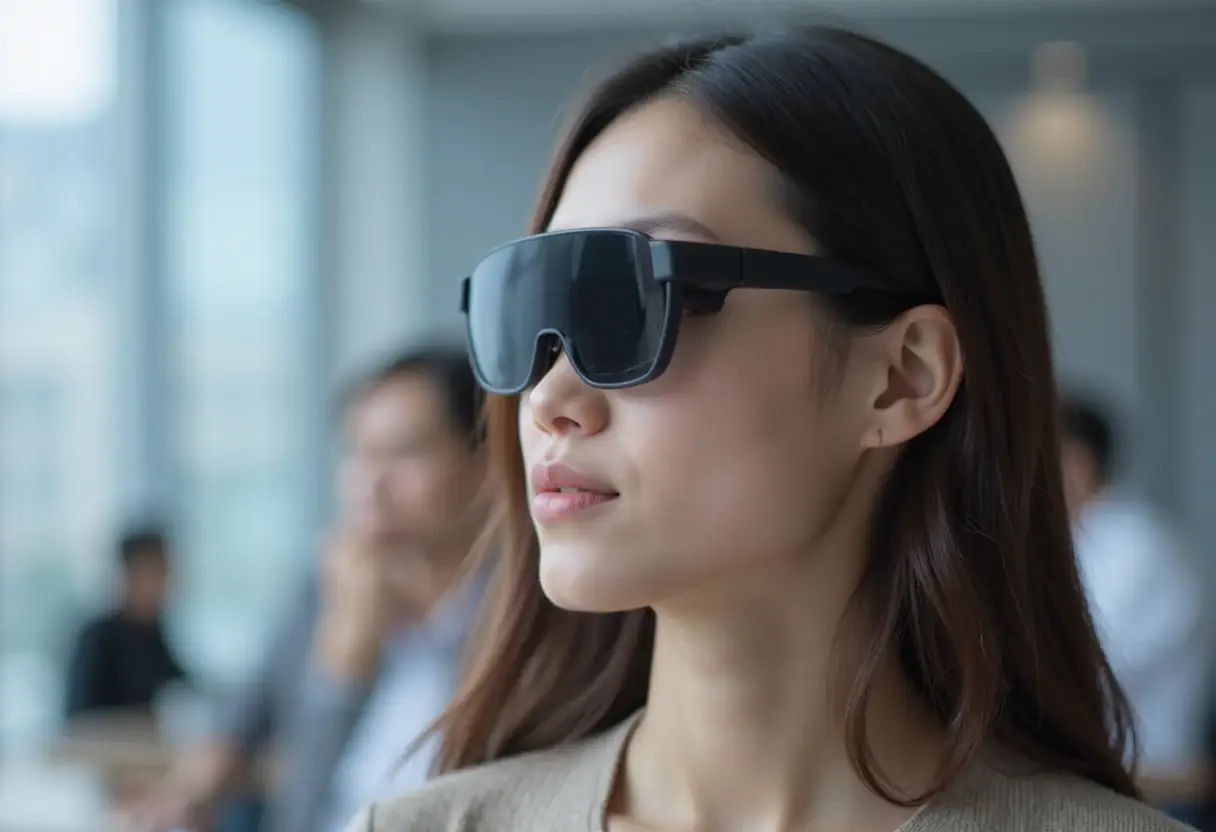
Google and Samsung's first Android XR smart glasses go on sale December 10, with preorders open now at $395 for Warby Parker frames and $449 for Gentle Monster designs. For working photographers, the headline spec is a 12-megapixel camera that captures photos and 90-second video clips at up to 3K resolution — a capture device that will be sitting on faces next to clients at weddings, events and street assignments, whether or not you buy one.
The hardware is identical across both eyewear brands. The glasses weigh about 41 grams — 10 grams less than Meta's new Gen 3 glasses — run nine hours on a charge, and ship with a charging case good for up to seven recharges. A capture button fires the shutter; a touch-sensitive temple arm controls volume and summons the Gemini assistant.
Samsung built the hardware; Google supplies the software. Kering Eyewear, which owns Lindberg and Maui Jim, has also signed on to produce Android XR glasses in the future.
What does this change for camera-carrying photographers?
Two things: another camera in every crowd, and a built-in tell. The glasses carry an LED indicator visible to everyone in eyeshot while recording. Google's anti-creep policies go further than Meta's current lineup: tamper detection stops the camera if you block the indicator light while recording. Faces of bystanders are automatically redacted before Gemini processes visual data, images Gemini "looks at" aren't saved to Gemini History, and Google says it won't use them for AI training or ad targeting.
That last point matters commercially. Google explicitly states visuals aren't used to train AI models — a live question for photographers whose work feeds rival training pipelines.
"We learned through Glass that you can make people uncomfortable if you're not clearly communicating," said Juston Payne, Google's senior director of product management for XR. He told WIRED the glasses are a "Gemini-forward device" and the first to support the "Hey Gemini" hotword.
Meta's wearables earned the nickname "Meta Creep" for a reason; Google is designing against that reputation from day one.
Pricing, fit and availability
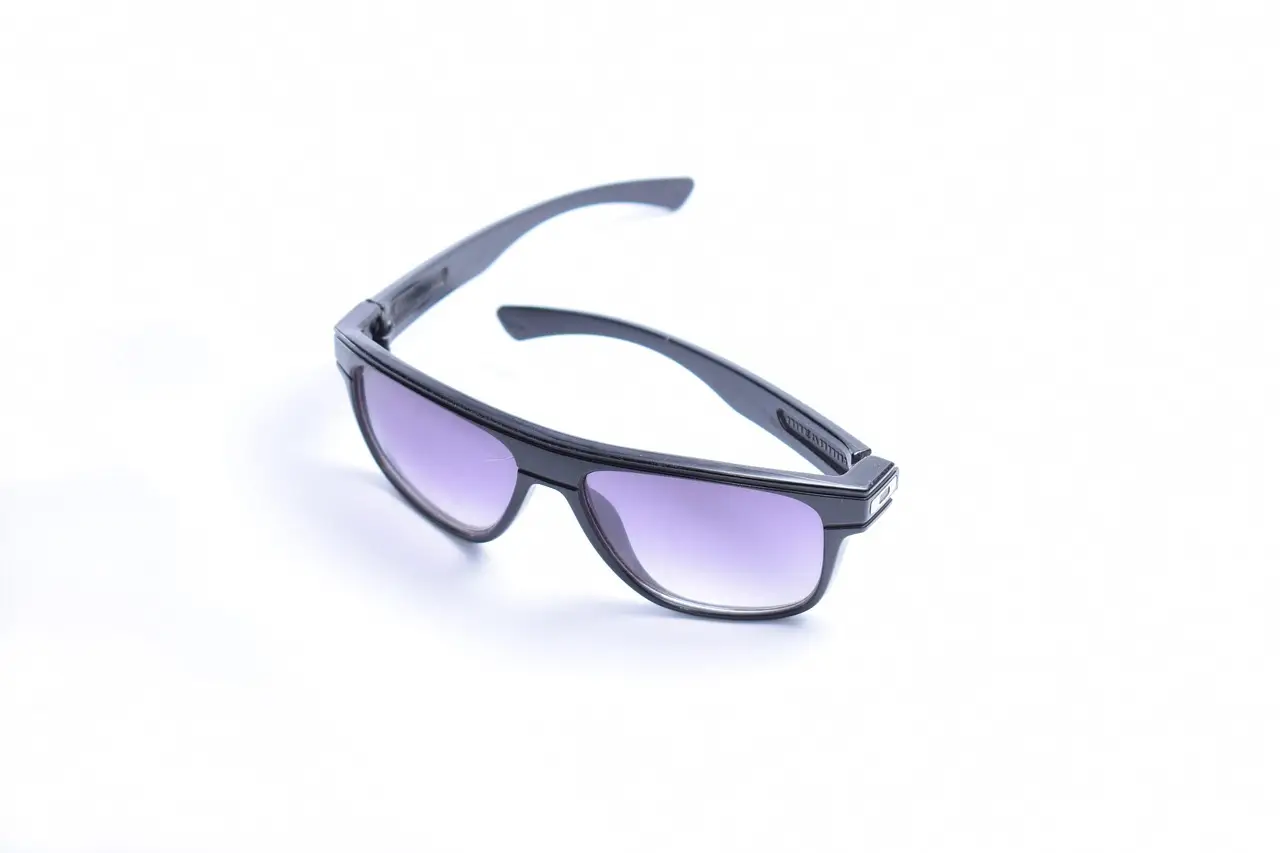
- Warby Parker: three styles — Alden, Reid, Wren — in optical or sunglass versions, with prescription, lens and width options, from $395.
- Gentle Monster: six designs, multiple colors and tints, prescriptions for most frames, from $449.
- Both brands open pop-up demo experiences in New York City this week, running about a month, with nonprescription demo units.
The retail strategy mirrors Meta's Ray-Ban play: let customers try before buying. Warby Parker co-CEO Dave Gilboa frames it as an extension of the eye-exam funnel. "A lot of people start by getting an eye exam in one of our stores, and then come in, do a demo, buy these," he said.
Compatibility limits worth knowing
The glasses only pair with select phones: Pixel 7 or newer, Samsung Galaxy S or Z Fold models running One UI 9.0 or higher, and iPhone 13 Pro or newer. A Google spokesperson says details on expanding support to other phones come in 2027. If your daily driver falls outside that list, you're locked out at launch.
Customer service runs through the eyewear brands, not Google — the brand you buy from handles device problems and prescriptions, with back-end workload split among the companies.
Capture is the secondary pitch
Payne notes the glasses are designed more for Gemini assistance than content capture — likely a deliberate retreat from Meta's scrutiny. The assistant reads and summarizes book pages, builds travel itineraries, manages shopping lists, and plays music through Apple Music on iPhone or saves to Samsung Notes on Galaxy phones. Live translation mimics the speaker's tone and voice, though range is limited and quality depends on noise. An accessibility mode, Guided Vision, delivers audio descriptions, and Aira integration streams the glasses' feed to a human interpreter.
Display-equipped versions — in-lens navigation and real-time captions — remain road map items, currently in testing with "non-Googlers," with no release window. Gilboa promises "a pretty robust pipeline of additional products," including possible audio-only models like Meta's Ray-Ban Audio. Expect display variants and wider phone support to define Android XR's second wave.
via wired.com (Source)
More from Nathan Brooks
Show full bio
Correspondent covering regulation, policy and their impact on professional photography industry at Photo Trade Wire.
114 articles