FR-7C1Dƒ/11 · 1/250 · ISO 400Roll /gear-industry
Samsung’s Android XR Glasses Challenge Meta’s Privacy Model
Samsung-made Android XR glasses from Warby Parker and Gentle Monster promise local face redaction, Gemini translation, a nine-hour estimated battery life and shipping from December 10.
Processing notes
- Warby Parker glasses start at $395; Gentle Monster glasses start at $449.
- Preorders are open, with shipping expected to begin December 10.
- Both glasses weigh 41 grams and carry a 12MP ultrawide camera with stabilization.
- Battery life is estimated at nine hours, with up to seven additional charges from the case.
- Google says faces are redacted before server transfer, ambient conversations are scrubbed, and camera and microphone access will require opt-in.
By Grace Kim
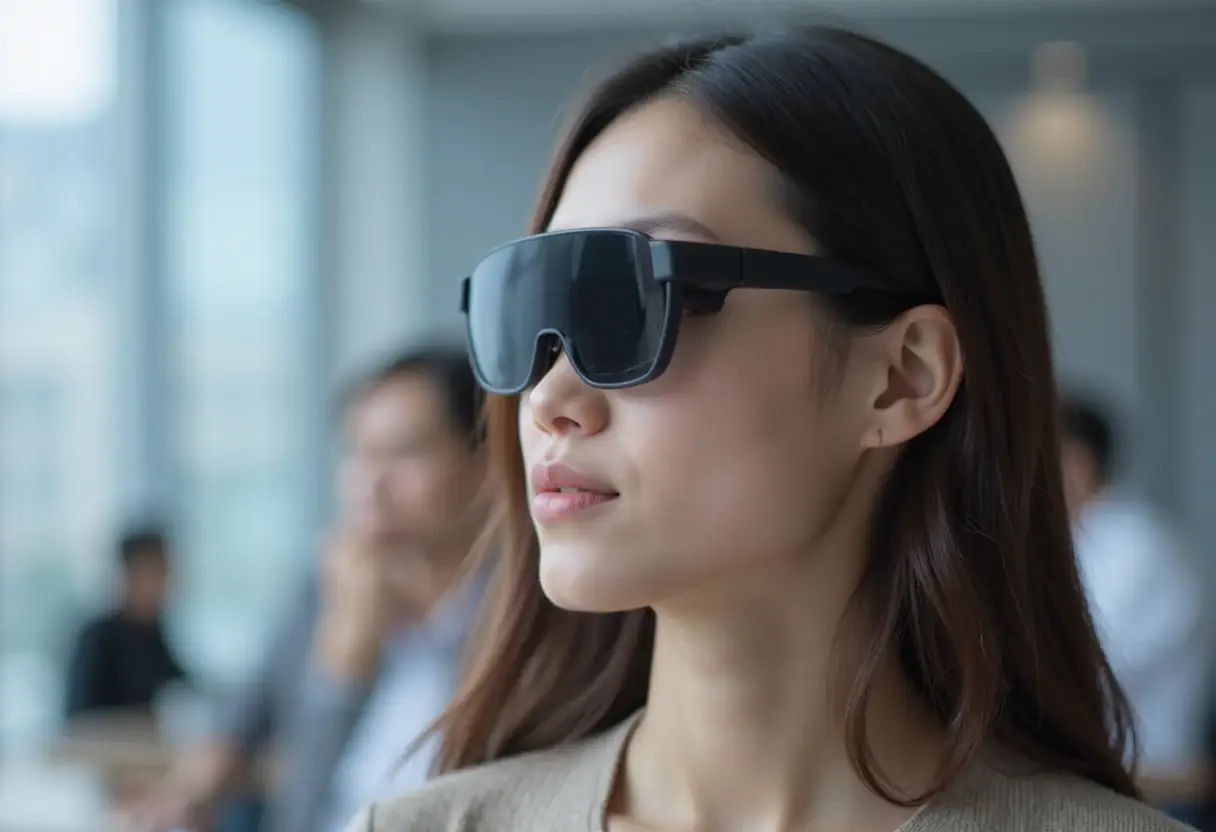
Warby Parker’s Android XR smart glasses start at $395, Gentle Monster’s at $449, and preorders are open ahead of expected shipping from December 10. Samsung built both brands’ devices around Google’s Gemini and Android XR, giving Meta a hardware-and-platform rival with local privacy controls.
Meta has set the category’s tone for years, though privacy controversy and the “pervert glasses” moniker have left smart glasses unpopular. A week of demos showed Google emphasizing cleaner translation, proactive redaction and designs ranging from retro-chic frames to two Y2K styles reminiscent of The Matrix.
What changes for working photographers?
For event, interview and street assignments, the relevant change is a capture workflow that removes identifying facial data and surrounding conversations before server transfer. That can limit bystander exposure in client footage, but it also means Gemini cannot identify people in photographs. In the test, Gemini recognized that the wearer was viewing video director Owen Grove and editor-in-chief Nilay Patel, but refused to name either for privacy reasons; Meta’s glasses could not identify them either.
Google’s position goes beyond a software filter because facial recognition is excluded by design. The glasses illuminate a privacy LED when they intend to save visual data, and Google says they can disable themselves if they detect tampering.
Camera and microphone access will require opt-in permission, beam-forming microphones isolate the wearer’s audio, and ambient bystander conversations are scrubbed.
Google senior director of product management for XR Juston Payne acknowledged the limits of hardware indicators: “Somebody might come up with some solution [to tamper with privacy LEDs] that our algorithms can’t detect, so then the question becomes: So what can we do?” He then set strict rules for captured data: “We’re not going to target ads on it. We’re not going to train Gemini on it. Humans aren’t going to be able to use it to improve the models.”
Payne said Google will extend those restrictions across its own services:
- YouTube will crack down on videos featuring harassment or unwanted sexualization, regardless of how they were captured.
- Google Shopping and Google Ads will bar sales or advertising for accessories such as lens covers for privacy LEDs.
- Google Play will prohibit third-party apps from enabling social livestreaming, real-time facial identification or changes to how the LED functions.
- Third-party apps requesting camera or microphone APIs will undergo further review to establish responsible use, a rule that may affect future Android XR devices such as Xreal’s Aura glasses.
These are platform commitments, not measured enforcement results; public effectiveness remains difficult to gauge, and the regime is more expansive than Meta’s reactive approach. Meta lacks an app store or computing platform comparable to Android, limiting how directly it can reproduce those controls.
Gemini in field workflows
In demonstrations, Gemini translated French, Spanish, Korean and German after a two-finger temple gesture, including a Korean cooking video with music and conversation in the background. The hands-on evaluation did not require selecting source languages or downloading a language pair, unlike Meta’s Ray-Ban Display.
English and Thai speech translated into Japanese correctly in another test, after the same kind of translation failure affected the Meta glasses during the reviewer’s travel. The evaluation judged Gemini more capable than Meta AI on Ray-Ban glasses, a product judgment rather than a published benchmark.
The assistant also turned a Mumbai concert flyer into a Google Calendar event, looked up flights to India, supplied turn-by-turn walking directions and provided the Whitney Museum event schedule. Gemini sometimes corrected itself in real time or asked for a different view of an object.
These demonstrations show useful assisted workflows, not published accuracy benchmarks; photographers still need to test names, accents, background noise and client-specific terminology before deployment.
Hardware and design choices
For hardware, the glasses weigh 41 grams and carry a 12MP ultrawide camera with stabilization; the hands-on evaluation judged the sound “pretty good.” The camera produced what the test called decent photos and video and straightens accidental Dutch angles.
The stated battery-life estimate is nine hours, and the case supports as many as seven additional charges; the hands-on report provides no independently measured endurance result. For a working photographer, published specifications provide no RAW, dynamic-range, low-light or broadcast details, so the module cannot yet be evaluated as a primary assignment camera.
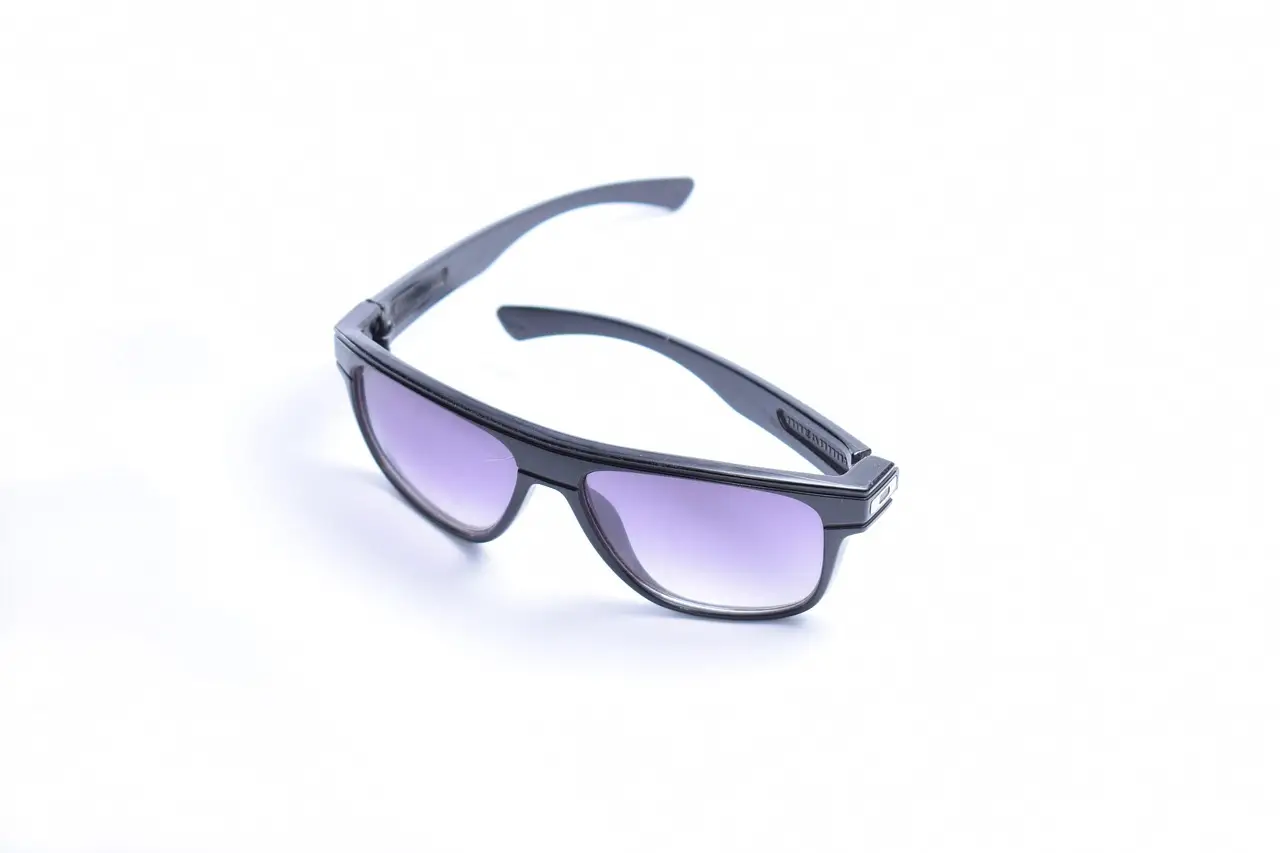
Design choices broaden the business proposition. Warby Parker offers three designs in green, brown and black, with an everyday look; Gentle Monster offers six frames, including two Y2K designs, bolder colors, tinted lens options and a more editorial, runway-ready appearance. Meta and EssilorLuxottica still set the style benchmark with more than 100 frame-and-lens combinations.
Accessibility features for low-vision and blind users include Google’s Guided Vision for conversational audio descriptions and Android XR collaboration with Aira, which streams the camera view to a real-time human interpreter. Aira will launch for Android users only, but the glasses otherwise will work regardless of the paired phone.
When shipping begins December 10, the decisive test will be whether culture, privacy and usefulness—not the technology itself—can turn these demonstrations into regular use. Meta has long been the sole big player setting the tone; Android XR now offers consumers a meaningful alternative, but only market adoption will reveal whose approach wins.
via theverge.com (Source)
More from Grace Kim
Show full bio
News editor covering technology and product news in professional photography industry at Photo Trade Wire.
145 articles