FR-7F4Dƒ/5.6 · 1/500 · ISO 400Roll /photo-business
Korea Artiz Studio Singapore Closes; S$271K in Deposits Lost
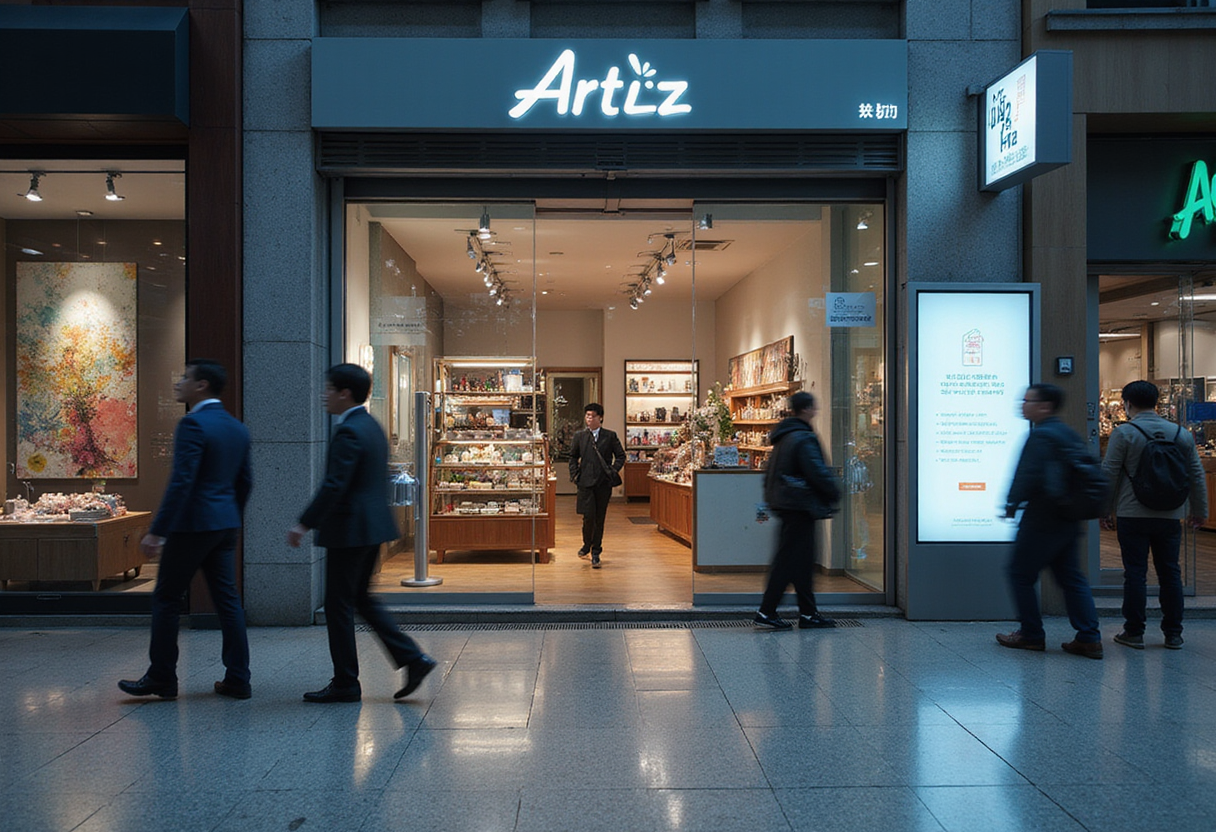
Korea Artiz Studio's Singapore outlet shut abruptly with more than S$271,000 in customer prepayments unresolved, per Mothership.sg, leaving photography studios to reassess deposit structures.
Processing notes
- Korea Artiz Studio's Singapore outlet ceased operations abruptly
- More than S$271,000 in customer prepayments were left unresolved
- Reporting comes from Mothership.sg and does not yet confirm customer count, average deposit size, or insolvency status
- Korea Artiz Studio operates a multi-outlet photography brand with the Singapore branch identified as one location
- Singapore consumers can pursue service disputes through the Small Claims Tribunal, with outcomes dependent on documented contract terms
The Singapore outlet of Korea Artiz Studio ceased operations abruptly, leaving more than S$271,000 in customer prepayments unresolved, according to Mothership.sg.
The headline lands inside one of the most common business practices across portrait and wedding studios: the deposit model. Studios routinely require upfront payment to reserve a date, fund pre-production, and commit both sides to a booking. The Korea Artiz case demonstrates what happens to those balances when the operator stops trading before services are delivered.
For working photographers, the figure matters less than the chain of questions newly cautious clients will now ask every studio they contact.
What is actually known
The Mothership report puts the prepay shortfall at "over S$271,000" and describes the closure as abrupt. The available reporting does not confirm:
- The number of affected customers
- Average deposit per booking
- Whether the operator filed for insolvency, entered restructuring, or simply ceased trading
- A named administrator, refund mechanism, or operator statement
Without those details, the case is reputational in scope, not yet precedential.
Why does the deposit model matter here
Prepayments are the standard cash-flow engine for booking-based photography businesses. A deposit reserves the date and converts a tentative inquiry into a committed job, while the photographer turns down competing work to hold the slot. That structure concentrates customer money in the studio's account for weeks or months before delivery. A shuttered operator can hold those balances without services to perform.
The conflict between cash-flow needs and customer-fund risk sits inside the same payment structure that every deposit-collecting studio uses.
What should working photographers review now
A closure of this size, even one limited to a single outlet, alters how procurement-aware clients will question every studio they contact. Worth reviewing this quarter:
- Contract terms. Written refund clauses, milestone delivery dates, and force-majeure language move from optional clauses to standard practice.
- Deposit ceilings. Lower caps or staged payment tied to deliverables shrink the size of any future dispute.
- Trust accounting. Studios holding large customer balances should consider segregated accounts or escrow arrangements that survive an operational halt.
- Insurance. Business-interruption and client-fund coverage exist for these scenarios; carriers in several regional markets now package the two together.
- Sales conversation. Bridal-style consults will now include questions about business continuity. A written answer beats a verbal one.
Who absorbs the trust fallout
Independent photographers across Singapore and the wider region will absorb the trust damage from a brand they never worked for. Couples comparing any studio against the Korea Artiz closure will ask harder questions about deposit size, delivery guarantees, and what happens if a business fails mid-contract.
The marketing upside is real for studios prepared to answer in writing. Operators that publish clear terms and offer staged payments tied to deliverables will read as a safer choice next to studios still using a heavy-upfront structure.
What comes next
A formal insolvency filing, an appointed administrator, or a court date would shift this story from reputation damage to precedent. Singapore gives affected consumers a structured recovery route through the Small Claims Tribunal for service disputes, with outcomes that depend heavily on documented terms. Operators outside Singapore should monitor how the case frames the deposit conversation in their home market.
For now, the working takeaway is operational rather than legal: review deposit terms, document the refund policy, and expect the next client consultation to start with a question studios did not have to answer a month ago.
via Google News: Wedding photography business (Source)