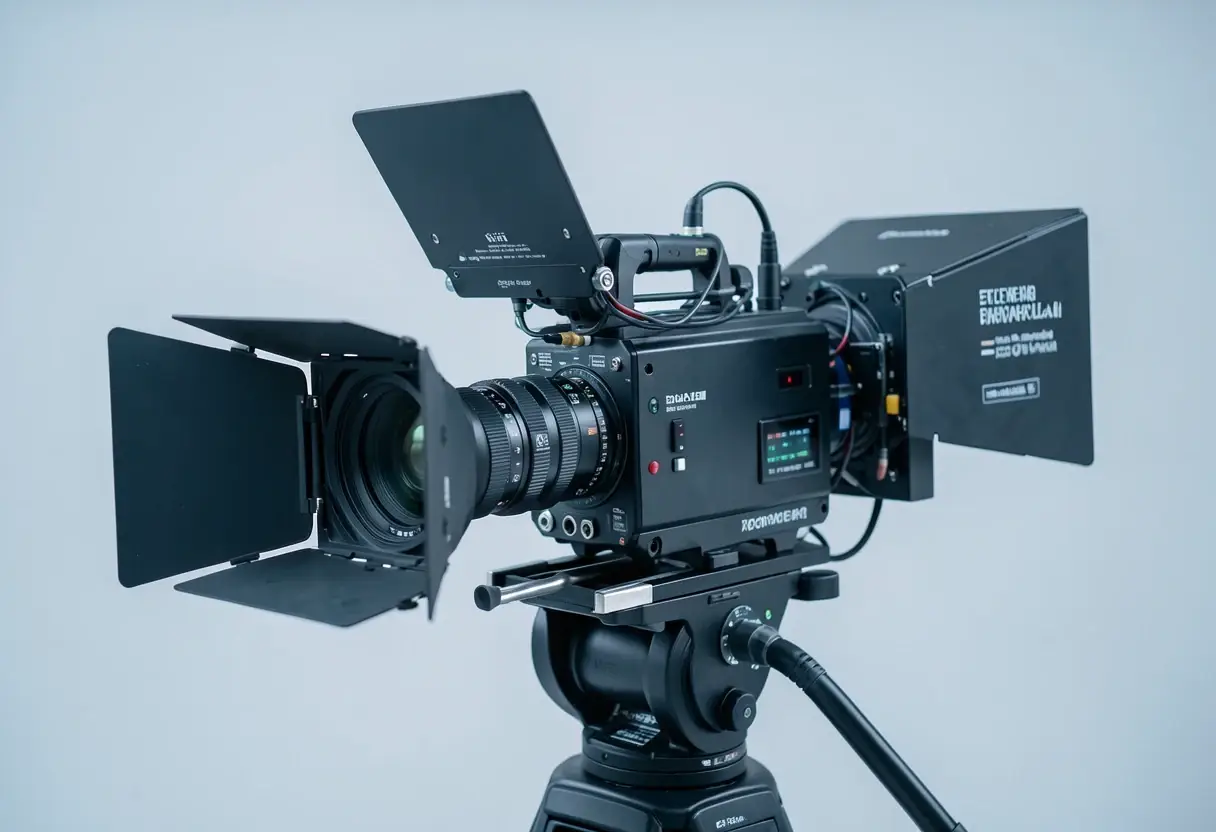
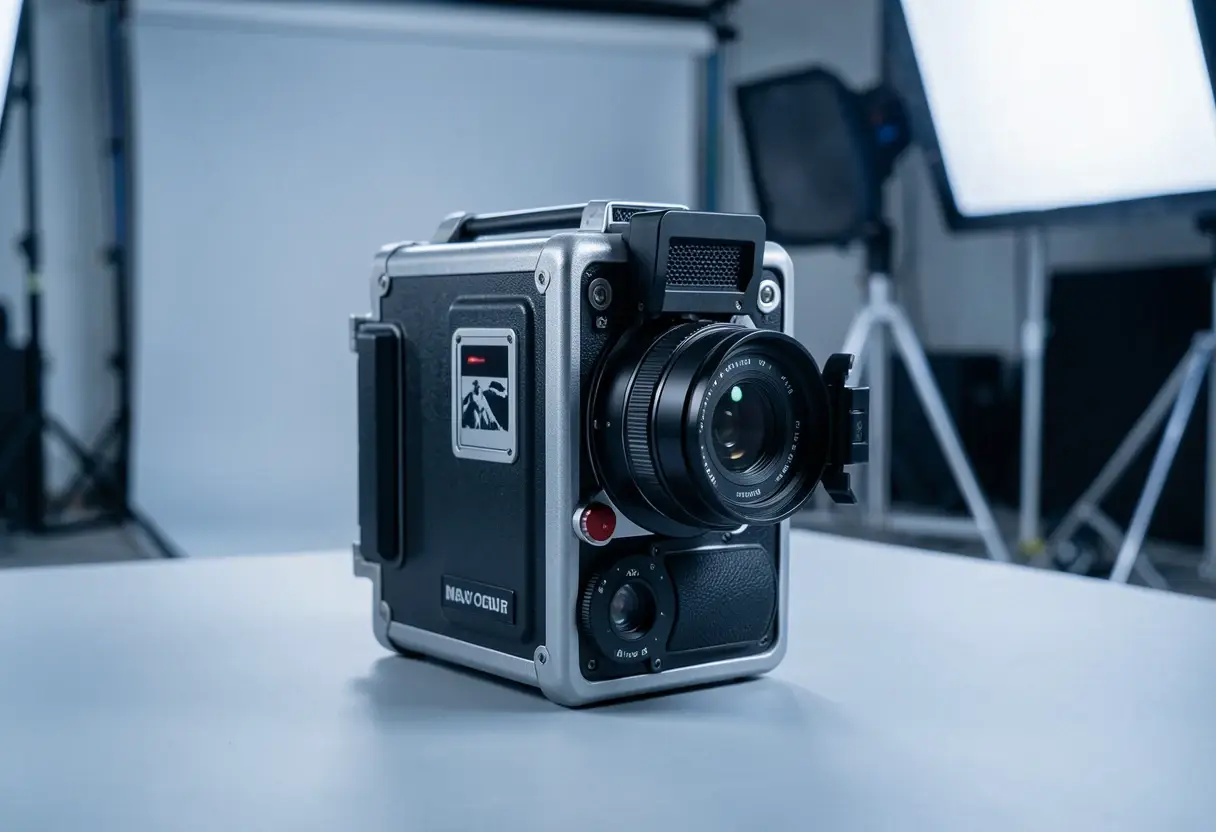
Lumix SH-X1 costs $4,700; Lomo 72 yields 72 shots per roll
Panasonic’s $4,700 Lumix SH-X1 brings ProRes RAW and genlock; the $79 Lomo 72 fits 72 shots on one roll, while Adobe’s AI debate centers on workflow value.

Processing notes
- Panasonic’s newly announced Lumix SH-X1 is $4,700 body-only.
- Its listed professional features include internal ProRes RAW, Blackmagic RAW support, genlock, timecode, 32-bit-float audio and open-gate recording.
- The $79 Lomo 72 is a half-frame camera that fits 72 shots on a standard 36-exposure roll.
- Adobe Max updates for Lightroom and Photoshop include Glow, improved masking, Relight and Creative Agent.
- The weekly DCW podcast aims to cover key launches from the previous seven days.
At $4,700 body-only, Panasonic’s newly announced Lumix SH-X1 puts professional cinema features in a price bracket that demands justification, while the $79 Lomography Lomo 72 fits 72 shots onto a standard 36-exposure roll.
Digital Camera World’s new weekly DCW News Podcast groups those products with Adobe Max software news. Editor-in-Chief James Artaius and US Editor Hillary Grigonis joined host Chris George. George said, “We have a new podcast out today.” The episode is also available on YouTube.
George has worked at Digital Camera World since its 2017 launch and has more than 30 years of experience covering photography, mobile phones, video and technology.
The series aims to record every week and examine key launches reported during the previous seven days. This episode treats the Lumix, Lomo and Adobe announcements as three of the biggest stories of that week. Its team promises candid, sometimes controversial discussion of strengths, weaknesses and controversies. That format matters because the episode presents announcements, not controlled performance tests.
What does the Lumix SH-X1 change for working crews?
George framed the commercial test directly: “But at $4,700 body-only, who is it actually for?” The newly announced box-shaped camera carries the features Digital Camera World cites as Lumix’s move into professional cinema:
- Internal ProRes RAW recording.
- Blackmagic RAW support.
- Genlock and timecode.
- 32-bit-float audio.
- Open-gate recording.
The list addresses capture, synchronization and production-audio workflows. For a rental house, production team or high-end commercial operation, the decision turns on utilization and total system cost rather than feature count alone.
The announcement supplies no shipping date, measured image or audio results, accessory prices or package details. The $4,700 figure covers the body only, so the podcast does not establish the cost of a complete working setup. That absence limits any revenue or utilization forecast.
Does the $79 Lomo 72 reduce film costs?
The new Lomo 72 is a half-frame film camera priced at $79; it squeezes 72 shots from a standard 36-exposure roll. On a fixed roll price, that is twice the stated shot count, or 100% more shots per roll.
The calculation carries weight because film is becoming more expensive, but the episode gives no film price, shipping date, frame dimensions or usable-image results. A projected saving is not yet a measured saving, and the discussion does not supply a per-shot cost.
George asked whether half-frame might be “one of the best ways to keep shooting analog.” For working photographers, the practical answer depends on how many usable frames a roll produces and what the camera and consumables cost in practice.
What does Adobe Max change in Lightroom and Photoshop?
At Adobe Max, the latest Lightroom and Photoshop updates included four named changes:
- Glow.
- More powerful masking.
- Relight.
- Creative Agent.
The episode asks whether photographers actually want more generative AI or whether smaller, practical editing improvements matter more. It does not define each function, compare outputs, measure editing time or state licensing, platform and availability details.
For a commercial retoucher, those omissions decide whether a feature earns a place in paid work. Masking claims need a repeatable editing test; Relight and Creative Agent need side-by-side results; Glow needs a defined production task. Feature names alone cannot support a client-time estimate.
What does this change for photo businesses?
For photo businesses, the immediate change is a sharper set of decision thresholds, not proof of a business case:
- Treat the Lumix SH-X1 as a $4,700 body-only production purchase until shipping, tested output and full-system costs are known.
- Treat the Lomo 72’s 72-shot capacity as a useful film-budget variable until actual roll, camera and image-yield costs are established.
- Trial Adobe’s masking and AI features on representative client work, measuring correction and delivery time before changing production workflow.
None of the episode’s three announcements supplies all of those commercial numbers. As the weekly podcast series develops, its most useful follow-up will be shipping dates, total-system pricing and side-by-side workflow results for the camera, film and software claims.
via digitalcameraworld.com (Source)
More from Grace Kim
Show full bio
News editor covering technology and product news in professional photography industry at Photo Trade Wire.
174 articles