FR-0EB3ƒ/11 · 1/60 · ISO 400Roll /ai-imaging
AI Retouching Raises the Stakes for Authentic Photography
Prince Meyson says over-retouched work now resembles AI output, urging photographers to retain flaws, document production and strengthen origin records.
Processing notes
- Prince Meyson has shot for more than 16 years and says clients need stronger evidence of photographic authorship.
- The Leica M11-P launched in 2023 as the first camera to embed Content Credentials.
- Meta labeled Instagram and Facebook posts “Made with AI” in 2024 before revising the display after backlash.
- Sony has added C2PA signing to some professional camera bodies through firmware.
- AI can now request natural-looking edits with imperfections, so restrained retouching proves less than it did one or two years ago.
By Grace Kim
The Leica M11-P launched in 2023 as the first camera to embed Content Credentials, a signed record of how and when an image was captured. Sony has since added similar C2PA signing to some professional bodies through firmware. For gear-investment decisions, that support matters only if downstream platforms preserve the record; many still strip or ignore it.
For about a decade, glass-smooth skin and spotless frames marked a careful retoucher. That look now ranks among the things image generators produce best.
Prince Meyson, who has shot for more than 16 years, says a client who cannot distinguish a portfolio image from a prompt has one fewer reason to book the photographer.
He has never been less sure where photography is heading. Meyson also helped create the aesthetic he now warns against. Early in his career, he smoothed skin hard and pushed every image toward perfection. Models trained on years of that work can now produce it faster than any person can. His first fix is blunt: stop overediting.
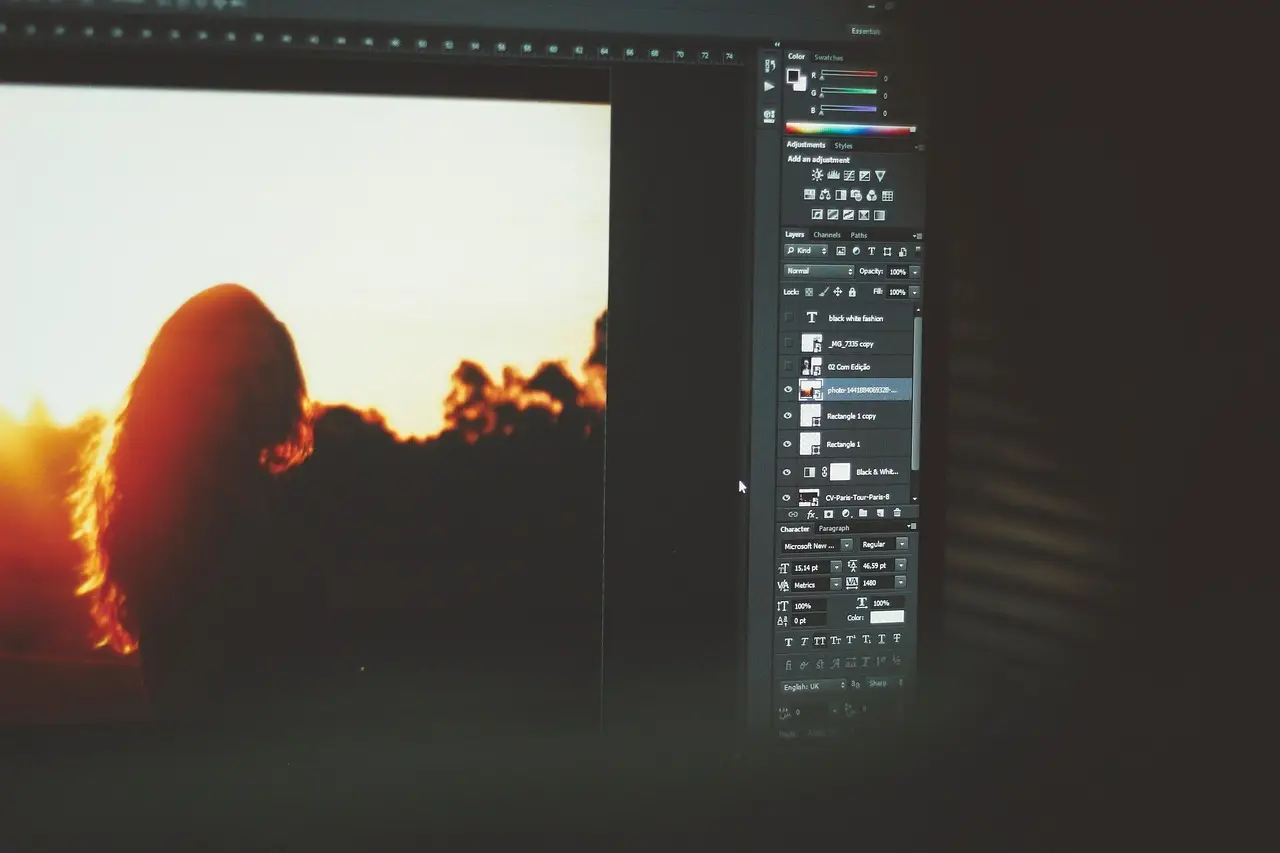
AI retouching already runs inside Photoshop and dedicated tools such as Evoto. A few sliders can move an edit from plausible cleanup to excessive work, although Meyson still uses those applications.
His countermeasure is not zero post-production. He says freckles, moles and small flaws now carry more weight than ever: “some of the clearest signs that a real person stood in front of your lens.”
This changes what polish communicates. Polish now proves less. A spotless file may no longer show that a photographer made careful judgments; it may only demonstrate that software removed evidence of the original. Retaining plausible imperfections can support the photographed story, but only when they remain true to the subject rather than becoming another preset.
Generators learn from images already online, Meyson says. A concept that looks like a Pinterest board can also look like something a model can produce. He does not ask photographers to invent ideas nobody has seen. Taking a reference and adding an individual spin can pull an image away from the average of everything a model has absorbed.
His boundary for generative fill is practical:
- Removing a stray bracelet with generative fill can be a sensible shortcut.
- Generating a new background, stretching a dress into yards of flowing fabric or placing a subject somewhere they never stood can make the result read as synthetic.
For client work, that boundary separates cleanup from construction. The first can save time while preserving the photographed scene. The second can replace that scene with an event the camera never recorded, leaving less evidence of the photographer’s direction and control.
Meta began tagging Instagram and Facebook posts as “Made with AI” in 2024. Working photographers quickly found the label on real images that had received little more than a small generative cleanup in Photoshop. After backlash, Meta changed the wording to “AI info” and, for edited-only images, moved the marker into a menu instead of showing it on the post.
That revision addressed one display problem, but not the larger provenance gap. Leica’s Content Credentials and Sony’s C2PA signing can provide signed origin information, yet support remains uneven across cameras and platforms. Until that changes, a client mainly has the image itself and whatever process evidence the photographer can show.
What does this change for professional photographers?
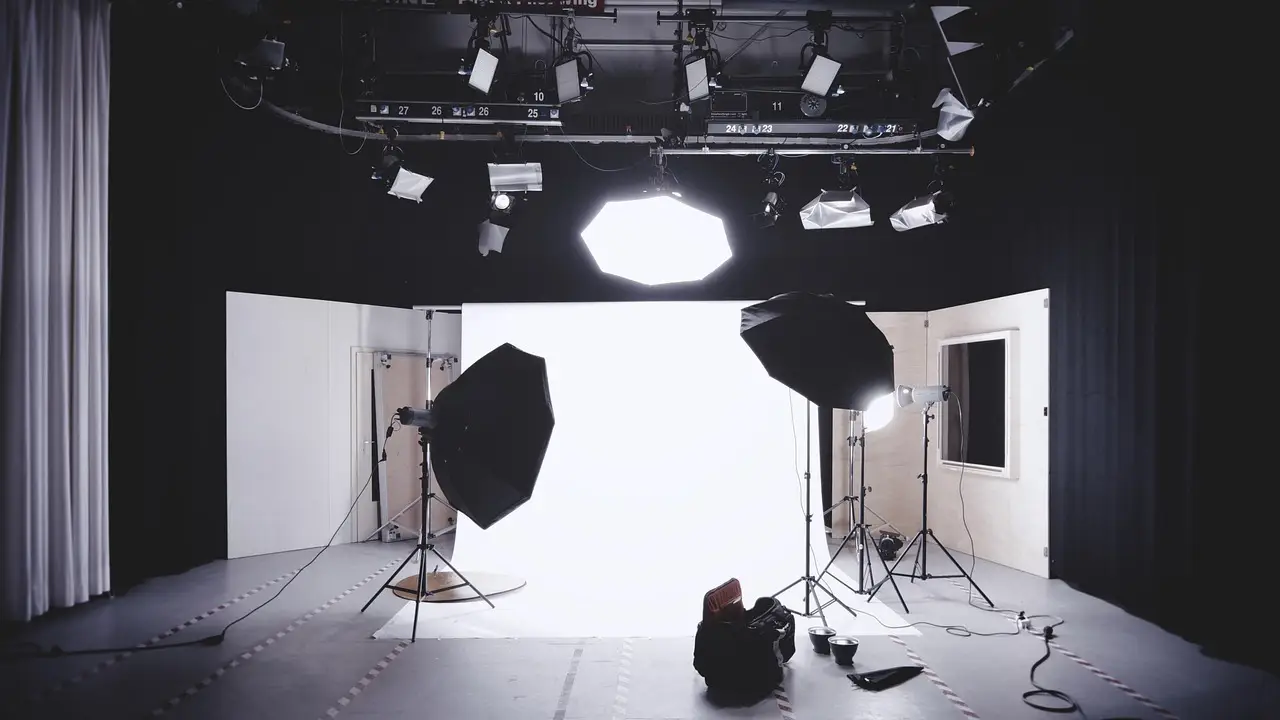
Meyson’s answer to heavy generative work is to bring more of the final image into the studio. Real props, real fabric and real light make post-production cleanup rather than construction.
He points to big-budget filmmakers returning to practical effects as the same instinct at a larger scale. “Get it right in camera,” he said, old advice that matters more now than at any point in his career.
The business implication is direct: clients need reasons to believe that craft, direction and judgment came from the photographer rather than a default output. That means retaining plausible imperfections and showing how a team lit, propped and shot an image through behind-the-scenes video or stills.
Meyson names that process documentation as the first of two habits he considers most important; the accompanying video carries his second recommendation, which the written article does not specify.
His caution applies even to restrained work. A prompt can now request a natural-looking edit with a few imperfections left in, so subtle retouching proves less than it did a year or two ago. As prompts make natural-looking edits easier, photographers will need visible process and preserved origin records when clients question commissioned work.
via youtube.com (Original)
More from Grace Kim
Show full bio
News editor covering technology and product news in professional photography industry at Photo Trade Wire.
128 articles