Leica Ships Hammertone M11-P at $10,950 and M-A at $8,000
Leica's hammertone M11-P ($10,950) and M-A ($8,000) special editions hit retailers today, carrying premiums of $550 and $1,000 over standard bodies with unchanged internals.
Processing notes
- Leica M11-P Hammertone priced at $10,950, $550 over the standard version.
- Leica M-A Hammertone priced at $8,000, a $1,000 premium over the standard film body.
- Both special editions are available starting today at Leica stores and other retailers.
- M11-P Hammertone keeps the 60MP BSI full-frame sensor, 256GB storage and rangefinder mechanism.
Leica has put two hammertone-finished special editions on sale today: the digital M11-P Hammertone at $10,950 and the film M-A Hammertone at $8,000. That's a $550 premium over the standard black or gray M11-P and a $1,000 markup over the standard M-A — pricing that makes the finish itself the most expensive option on the analog body.
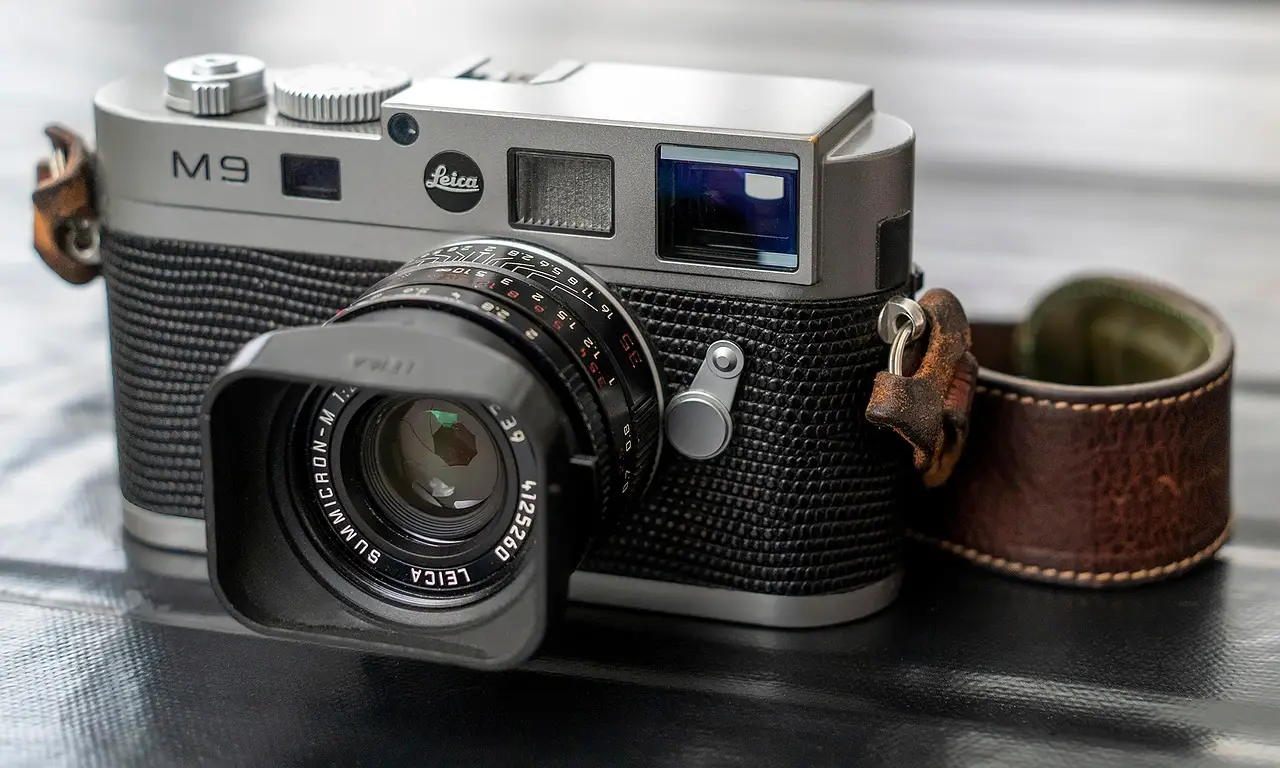
Both cameras get the textured finish on their brass top and bottom plates. Leica says the "distinctive texture is formed during the drying process when metal pigments and special additives create subtle variations in surface tension," and that each camera will therefore be unique. The company adds that it has "reworked the process" for producing the finish, taking what it calls "meticulous care" to keep it uniform across the camera — a claim worth noting, since the whole pitch is variation that's also somehow consistent.
What's changed and what hasn't?
Cosmetically, the changes run past the paint. Both bodies wear a black leatherette wrap with white engraved text, and the adjustment screw above the lens mount comes in chromed silver. On the M11-P, Leica says there are "newly rounded, classically styled edges on the top plate and base plate."
Functionally, nothing changes. The M11-P Hammertone keeps the standard model's full-frame 60MP BSI sensor, 256GB of internal storage and rangefinder focusing mechanism. The M-A remains the same mechanical film body underneath. Buyers are paying strictly for the surface and the engraving.
How limited is this, really?
Leica has a long history of special editions, and hammertone specifically isn't new to the lineup. The company says its use of this finish has been limited to a handful of cameras, though it has somewhat regularly marked retail milestones with very limited hammertone M-A releases — including a Tokyo store anniversary edition. Hammertone itself is a common industrial coating: it makes plain materials look like hammered metal and hides imperfections in the underlying surface, which is why it shows up on toolboxes and machinery as often as on collector cameras.
Unlike those milestone editions tied to a single store, these two bodies are available at Leica stores and other retailers starting today. No production cap has been stated.
What does this change for working photographers?
Nothing operational. The M11-P Hammertone is the same 60MP capture tool as the standard version, so the decision is purely whether a $550 finish premium matters against the $10,400 you'd otherwise spend — or, for film shooters, whether the hammertone M-A justifies $8,000 against the $7,000 standard body. For businesses buying cameras as working assets rather than collectibles, the standard models remain the rational purchase; the premium is unrecoverable in client work.
For Leica, the release extends a proven playbook: take existing, fully shipped product, change the surface, and extract a four-figure margin delta from collectors and brand loyalists. Expect the availability window to be the real limit — if these follow the pattern of earlier hammertone runs, they won't sit on shelves long.
via go.skimresources.com (Original)
Filed underLeicaM11 PMHammertone FinishCamera Pricing
More from Nathan Brooks
Show full bio
Correspondent covering regulation, policy and their impact on professional photography industry at Photo Trade Wire.
150 articles