FR-755Dƒ/5.6 · 1/125 · ISO 400Roll /photo-software
Rian Johnson's $12.99 Chromagraph App Tops Paid Photo Charts
Chromagraph Camera, a $12.99 app built by cinematographer Steve Yedlin for Rian Johnson, topped the paid Photo & Video charts by bypassing Apple's processing with cinema-grade raw rendering.
Processing notes
- Chromagraph Camera costs $12.99 with no trial or subscription and topped the paid Photo & Video charts in late October 2026.
- The app shoots RAW and bypasses Apple's computational processing, using the image pipeline Yedlin applies to Johnson's feature films.
- Raw files are stored, allowing post-capture adjustment of tone, grain and halation without quality loss.
- Apple's iPhone 18 Pro Photographic Styles now include a customizable film setting with halation and grain.
- Xiaomi's 17 Ultra this year added emulation of the Leica M9's CCD sensor in its Leica Authentic mode.
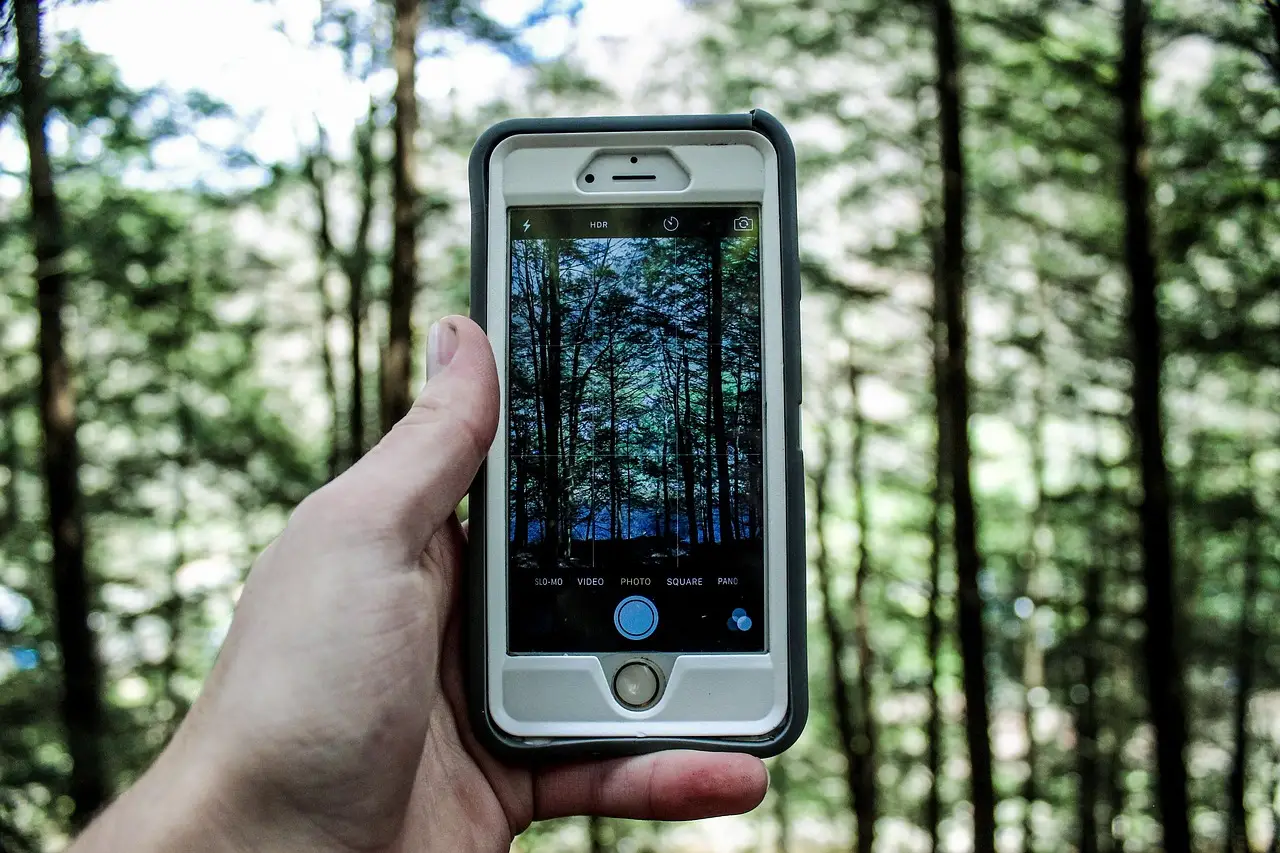
A $12.99 camera app with no free trial and no subscription reached the top of the App Store's paid Photo & Video charts last week. Chromagraph Camera, built for director Rian Johnson by his longtime cinematographer Steve Yedlin, shoots RAW files and replaces Apple's computational image processing with the pipeline Yedlin uses on feature films.
Johnson announced the project on X: "So I recently badgered my cinematographer @steveyedlin into making my ideal iPhone still camera app. It shoots RAW, bypasses the iPhone's look processing and instead uses the same image processing we use on our movies." The two have collaborated on every Johnson feature, from 2005's Brick through last year's Wake Up Dead Man.
What does the app actually change?
The pitch targets a specific complaint among working photographers: Apple's default camera pipeline. That system blends multiple frames to protect highlights and shadows, which prevents missed exposures but produces the artificially sharpened, HDR-dependent look many pros reject. Chromagraph takes the iPhone's raw sensor data instead and renders it to Yedlin's taste, with color science programmer Eric Cameron handling implementation.
The mechanism matters for workflow. You do not see the final look in the viewfinder; the app applies processing after capture. Because Chromagraph stores the original raw files, you can adjust tone, grain, and halation (the glow surrounding bright light sources on film) after the fact without quality loss, then export a JPEG. That is a different category from filters, and from Apple's ProRAW, which still retains elements of the iPhone's multiframe merging.
What are the trade-offs?
The output is not a free lunch. Next to a full-resolution ProRAW file, Chromagraph produces a softer, grainier image that often clips highlights. The interface also does not feel fully native to iOS. The reviewer's comparison: the app turns the iPhone into a single 35mm point-and-shoot loaded with one well-chosen film stock, and the results stayed cohesive across varied situations.
Yedlin is direct about the design intent. "The custom look is opinionated," he told Newsshooter. "It's just the nuanced and idiosyncratic rendering of tonality and chromaticity (as well as grain and halation) that Rian, Eric, and I personally like. And the grading knobs allow you to make pretty dramatic adjustments while keeping within that overall core look."
Is this a new market?
Chromagraph enters an established category. Oppo and Xiaomi have shipped filmic processing pipelines in their default camera apps for years, through partnerships with Hasselblad and Leica respectively. The Leica Authentic mode on Xiaomi phones is the benchmark, and this year's Xiaomi 17 Ultra added direct emulation of the CCD sensor in the classic Leica M9. On iOS, Halide's Process Zero mode already offers stripped-down raw capture.
Apple itself is responding. The iPhone 18 Pro ships an updated Photographic Styles feature with a customizable film setting that adds halation and grain. With some configuration, the stock camera app can now produce credible filmic photos.
The differentiator, per the source review, is that Chromagraph requires no setup at all. It delivers one creative vision as a fixed default, take it or leave it. Johnson's verdict on X: "I've messed with plenty of good 3rd party tools but this is an elegant one-stop-shop. It just takes beautiful shots with Steve's special sauce processing."
For photo businesses, the commercial signal is the pricing model: a one-time $12.99 purchase topped the paid charts in 2026, a rare outcome for upfront-paid apps, and evidence that demand for processing alternatives to Apple's pipeline extends beyond a niche of professionals. Whether Apple's own Photographic Styles expansion in future iPhone cycles absorbs that demand will decide if Chromagraph stays a hit or becomes a footnote.
via fastcompany.com (Source)
More from Amara Osei
Show full bio
Market editor covering companies, deals and strategy in professional photography industry at Photo Trade Wire.
129 articles