FR-EB3Eƒ/4 · 1/250 · ISO 400Roll /photo-software
Rian Johnson's Chromagraph App Rebuilds iPhone Photos From RAW
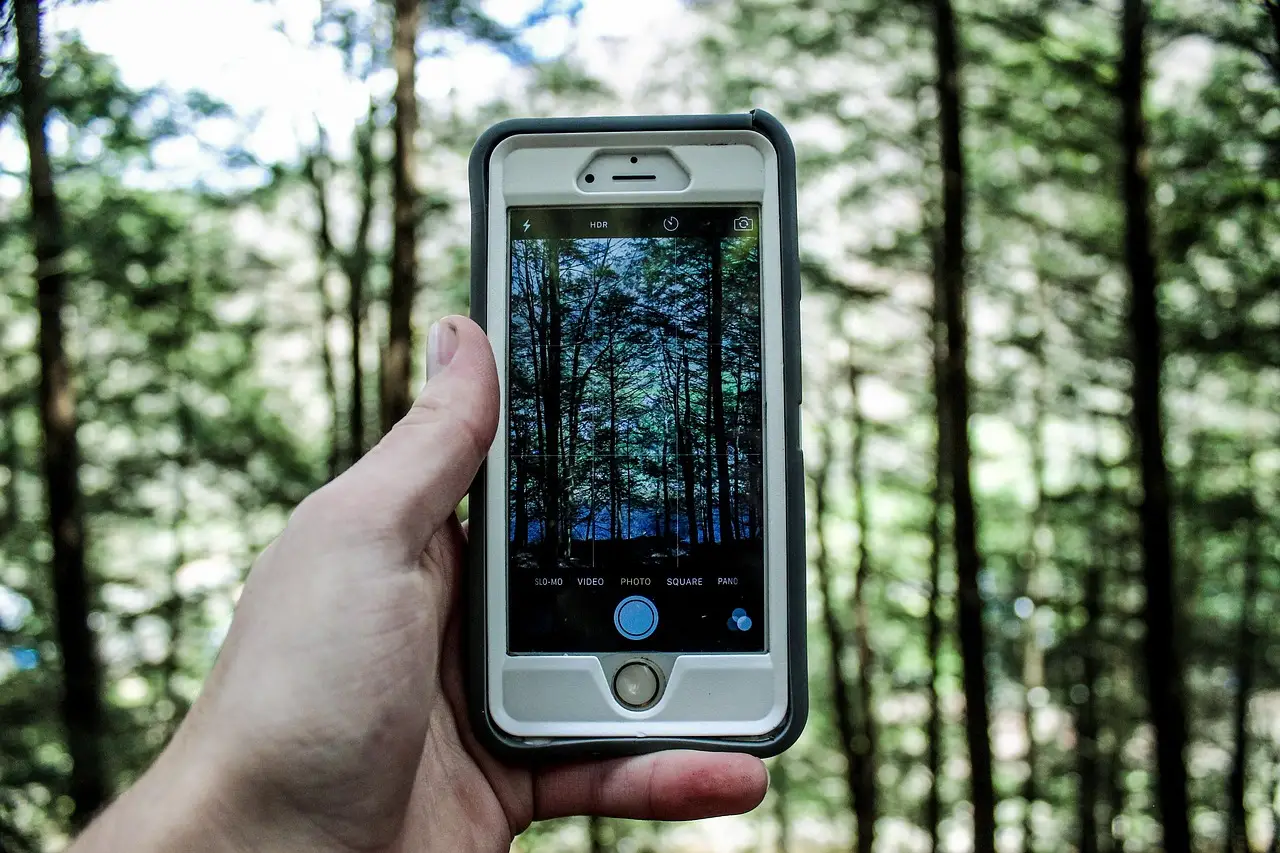
Rian Johnson and cinematographer Steve Yedlin have launched Chromagraph, an iPhone app that builds photos from RAW data using the Knives Out color look, bypassing Apple's default image pipeline entirely.

Processing notes
- Chromagraph launched Nov. 2, 2026, developed by Rian Johnson, Steve Yedlin and Eric Cameron
- The app bypasses Apple's default processing and renders images from RAW data
- Its look is based on Yedlin's color work on the Knives Out films
- Available on iPhone only; video may come later, likely restricted to recent Pro iPhones
- Originals are kept as RAW files with JPEG/HEIC auto-export available
Filmmaker Rian Johnson, cinematographer Steve Yedlin and color science coder Eric Cameron have shipped Chromagraph, an iPhone camera app that skips Apple's default image pipeline entirely and builds photos from RAW data using its own look processing.
Johnson announced the app in a post on X, dated Nov. 2, 2026. He said he originally asked Yedlin to build it because he shoots a lot of photographs on his iPhone and wanted a camera app matching his preferred visual style. The processing is based on the look Yedlin developed for the Knives Out films.
What does Chromagraph change for working photographers?
The core distinction is architectural, not cosmetic. Most "film look" apps layer a filter over an image Apple has already processed. Chromagraph bypasses the phone's default rendering and constructs the image from RAW sensor data with its own methods, according to the app description.
That flips the usual workflow. Instead of accepting Apple's rendering and adjusting afterward, photographers get a separately engineered look applied from the start — closer to how a colorist treats camera negative than how a preset treats a JPEG.
There's one unusual constraint on the shooting side. Users compose through the viewfinder without seeing the finished Chromagraph rendering at the moment of exposure. The processed result appears only after the picture is taken, in the gallery. The design deliberately mimics shooting film, where the final image isn't visible when you press the shutter.
Controls, exports and RAW retention
The app includes adjustment tools for color, exposure, grain and halation. Edits retain the visual character of the base processing rather than overriding it.
Chromagraph also keeps the original RAW files in its gallery, displaying the processed look and any adjustments alongside them. Export options:
- Smaller share-ready versions from the gallery
- Finished images saved to the phone's photo library
- Automatic export to the library as JPEG or HEIC with the Chromagraph look applied
The RAW retention matters for photographers who hand files off to Lightroom, Capture One or other editors. You keep the untouched original for further grading while still having share-ready versions on tap.
Why iPhone only — and stills only
The app is currently available only on iPhone, and Johnson explained the reasoning: Apple's hardware consistency lets the small team develop and tune the processing with confidence. Supporting Android's wide range of camera hardware and image processing characteristics, each phone behaving differently, would be difficult for a three-person operation.
Video is off the table for now. Johnson said the team may explore it in the future, though he noted it would likely be possible only on recent generations of Pro iPhones — a hardware ceiling worth noting before anyone budgets around a video version.
The open question
What does this actually change for client work? For photographers who shoot phone-first and want a consistent, deliberate visual language rather than Apple's default rendering, Chromagraph offers a genuinely different image-making path. The unverified part is magnitude: how much Yedlin's processing differs from Apple's in everyday shots, versus Knives Out's controlled production conditions, is something buyers will have to test themselves. A video version for Pro iPhones remains the team's stated possible next step.
via DIY Photography (Source)
More from Nathan Brooks
Show full bio
Correspondent covering regulation, policy and their impact on professional photography industry at Photo Trade Wire.
102 articles